
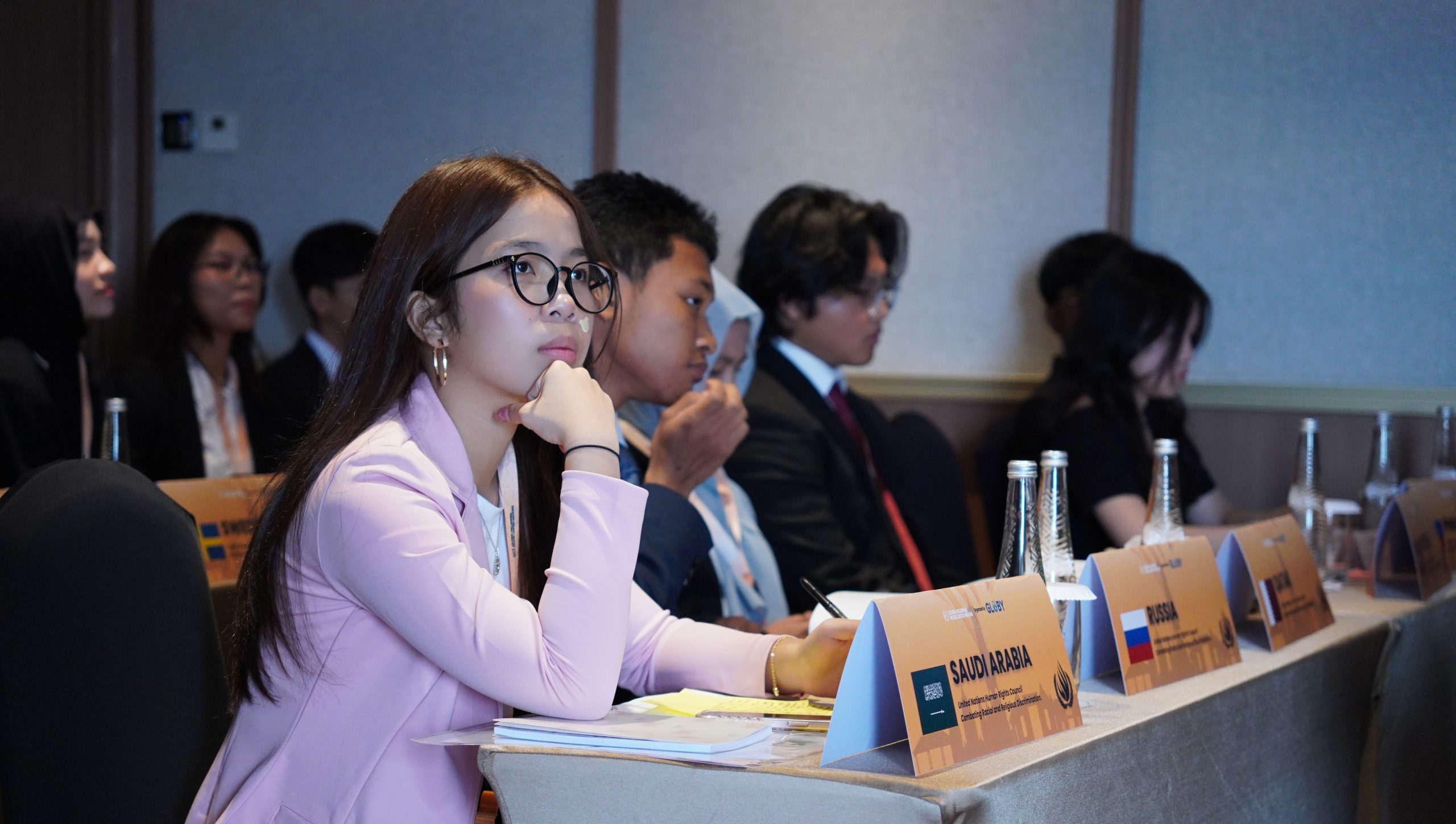
In every Model United Nations conference, caucuses shape how debates develop and how delegates stand out. These sessions allow participants to express policy positions, negotiate solutions, and demonstrate diplomatic competence. Many delegates speak frequently during caucuses, yet they do not always receive strong evaluations because they misunderstand what chairs actually assess.
This article explains what chairs evaluate during moderated and unmoderated caucuses and how delegates can improve their performance in each format.
Understanding Moderated and Unmoderated Caucuses
A moderated caucus follows a structured discussion format. Delegates speak individually within a fixed time limit. This session emphasizes clear argumentation, policy relevance, and formal delivery. An unmoderated caucus allows open movement and direct interaction. Delegates negotiate, form blocs, and work together on draft resolutions. This session highlights collaboration, initiative, and leadership. Since both caucuses serve different purposes, chairs apply different evaluation standards.
What Chairs Evaluate in a Moderated Caucus
1. Quality of Substance
Chairs prioritize content quality. Strong statements stay aligned with the agenda and reflect the official stance of the represented country. Delegates who support arguments with facts, examples, or existing policies usually perform better.
2. Clarity in Public Speaking
Clear and structured delivery matters. Chairs focus on confidence, logical flow, and effective use of formal language. Delegates do not need complex vocabulary to make an impact.
3. Alignment With National Position
Accurate representation of national interests remains essential in Model United Nations. Statements that contradict a country’s policy reduce credibility, regardless of delivery quality.
4. Diplomatic Tone
Professional conduct influences evaluation. Chairs value respectful phrasing, neutral language, and constructive engagement with opposing viewpoints.
5. Purposeful Participation
Speaking often does not guarantee high scores. Chairs prefer concise contributions that add new perspectives or move the discussion forward.
What Chairs Evaluate in an Unmoderated Caucus
1. Initiative and Leadership
Chairs observe which delegates take the lead. Initiating discussions, organizing blocs, or guiding drafting sessions shows confidence and preparation.
2. Negotiation Skills
Effective lobbying matters in Model United Nations. Chairs notice delegates who communicate clearly, listen actively, and build agreements without abandoning national interests.
3. Contribution to Draft Resolutions
Active involvement in drafting plays a major role. Chairs recognize delegates who propose clauses, revise language, or improve the structure of resolutions.
4. Collaboration and Professionalism
Strong teamwork creates a positive impression. Chairs value delegates who remain engaged, cooperative, and focused throughout the caucus.
Common Mistakes Model United Nations Delegates Should Avoid
During moderated caucuses, delegates often speak too long, repeat earlier points, or read prepared texts. During unmoderated caucuses, some delegates remain passive or rely entirely on others. Both patterns reduce overall effectiveness.
Chairs in Model United Nations conferences evaluate more than visibility. They assess substance, strategy, and diplomatic behavior. Delegates who balance strong arguments with collaboration and professionalism usually achieve better results.
Understanding these evaluation criteria helps delegates approach conferences with clearer strategies and greater confidence.




