
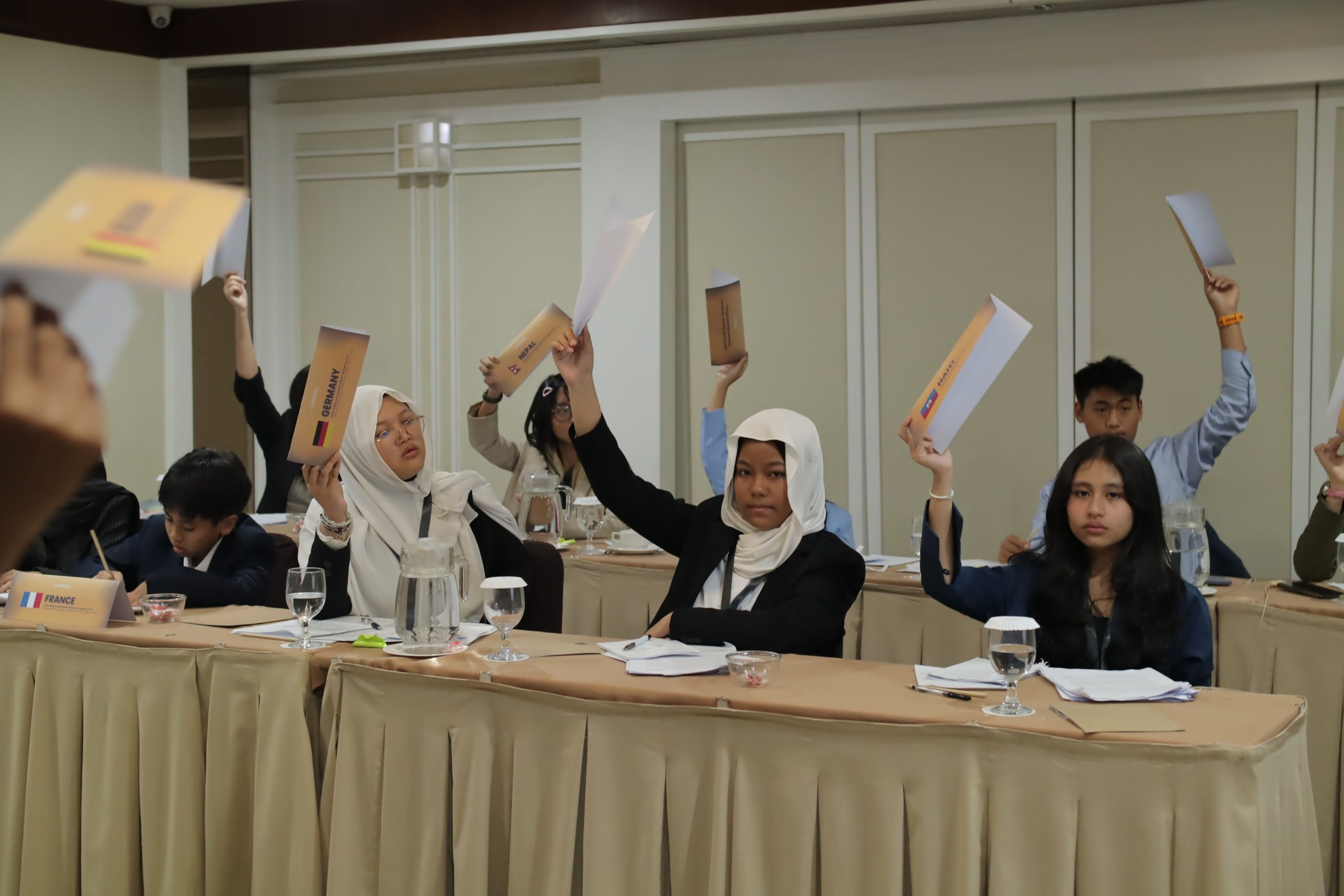
Model United Nations (MUN) is often perceived as a sophisticated roleplay, but this assumption oversimplifies what actually happens in a conference. While participants do simulate diplomats, the process requires structured negotiation, research, and public speaking. Because of that, MUN has been recognized as a training ground for critical thinking and diplomacy.
To understand how these simulations work, it becomes essential to know what a council is. After all, every debate, resolution, and negotiation takes place inside a council with its own rules and themes.
What Is MUN?
Model United Nations (MUN) is an academic simulation in which participants assume the roles of diplomats and negotiate solutions to international issues. Delegates represent a specific country and are expected to present arguments that reflect real policies.
In many conferences, the structure is designed to mirror actual UN procedures, allowing students to experience how global decisions are shaped. Although it looks like roleplay on the surface, the environment is intentionally formal so delegates can practice real-world skills.
What Is a Council in MUN?
A council in MUN refers to a committee or body where discussions and negotiations take place. Each council focuses on a different area of global affairs, ranging from peace and security to human rights, economics, or even futuristic scenarios.
Councils are created to simulate how international decisions are debated and made. Because of this, each council has its own mandate, rules, and style of discussion. Delegates are assigned to a council based on the topic they choose or the conference’s theme.
Categories of MUN Councils and Their Purposes
Although conferences may vary, councils are generally grouped into several major categories. Each category is shaped by a different objective, and understanding these differences is crucial for choosing the right challenge level.
- General Assembly (GA) Councils
GA councils are usually the most accessible for beginners. Their discussions focus on broad global issues such as education, health, technology, or international cooperation. These committees are designed to encourage inclusive debate, and resolutions are typically passed through majority votes. Because of this structure, GA councils are often used to introduce new delegates to diplomatic negotiation.
- Economic and Social Councils (ECOSOC)
These councils focus on development, trade, health systems, and humanitarian challenges. The topics tend to involve data-driven arguments and practical policy solutions. ECOSOC bodies are frequently chosen by participants who want to practice analytical reasoning and collaborative problem solving.
- Human Rights Councils
Councils like UNHRC examine issues related to human rights protection, discrimination, privacy, and refugee crises. Discussions in these committees often require moral reasoning, legal interpretation, and strong empathy. Because many topics involve sensitive dilemmas, debates here are typically more nuanced.
- Security Councils (UNSC)
The United Nations Security Council is known for its fast-paced and intense debates. Topics are centered on international peace, conflict, and military action. UNSC is also where veto power is applied, meaning key countries can block a resolution. As a result, negotiation becomes more strategic, and delegates must manage alliances carefully. This council is generally recommended for experienced participants.
- Specialized or Crisis Councils
These councils simulate real-time events, historical conflicts, or fictional scenarios. Because updates can be introduced suddenly, delegates must think quickly and adapt their strategies. Crisis committees are structured to challenge participants who prefer dynamic, unpredictable environments where decisions must be made under pressure.
Understanding the differences between councils in MUN allows participants to choose a committee that matches their interests and skill level. Moreover, by recognizing each council’s purpose, delegates can prepare more effectively and engage in deeper, more meaningful debate.




