
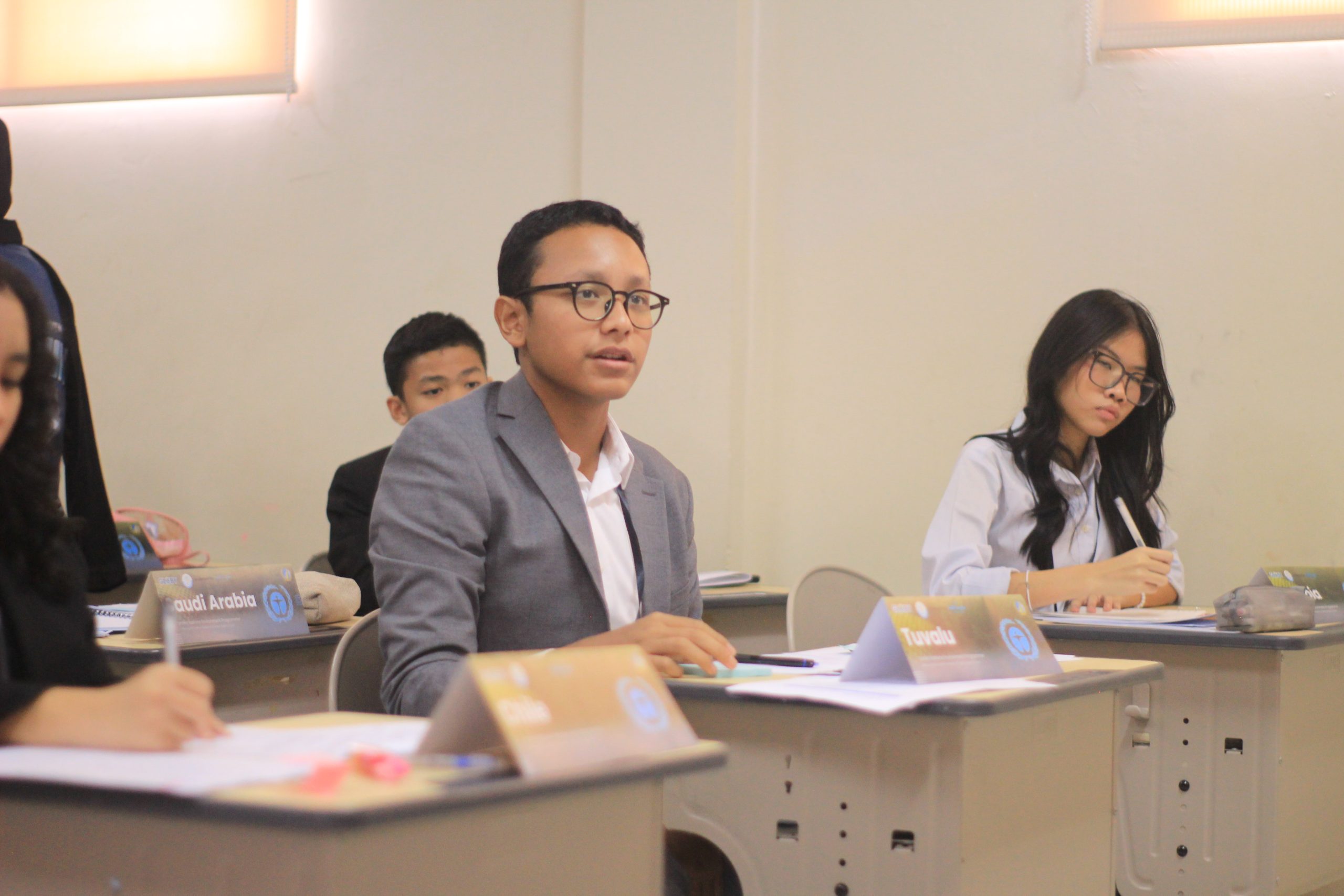
For new delegates, the Model United Nations (MUN) procedure can seem complex at first. However, understanding the rules of procedure is essential to participating effectively in committee sessions. This guide provides a clear and comprehensive introduction to key components of MUN procedure, including session flow, types of debate, and examples of speeches.
Whether you’re attending your first MUN conference or looking to refresh your knowledge, this article will help you understand how a typical MUN session is conducted.
Introduction to MUN Procedure
MUN procedure refers to the structured rules and protocols that guide the flow of debate in a Model United Nations committee. These procedures are adapted from real-world diplomatic settings, particularly the practices of the United Nations. Understanding the rules allows delegates to participate with confidence, contribute to discussions effectively, and uphold diplomatic decorum.
The major components of MUN procedure include:
- Roll Call
- General Speakers List (GSL)
- Moderated Caucus
- Unmoderated Caucus
- Consultation of the Whole
- Drafting and Resolution Procedures
Roll Call
Each MUN session begins with Roll Call, where the Chair calls out the name of every country in the committee in alphabetical order. Delegates must respond with one of the following:
- “Present”: You are present and may abstain during voting procedures.
- “Present and Voting”: You must vote either in favor or against a resolution or amendment; you may not abstain.
This initial step helps the Chair determine quorum and voting eligibility.
General Speakers List (GSL)
After Roll Call, the committee enters the General Speakers List (GSL) — the default format of debate in MUN. In the GSL, countries are called upon to deliver speeches in a pre-determined order. Delegates typically use this time to:
- Introduce their country’s position
- Suggest possible frameworks for discussion
- Highlight key issues related to the topic
The GSL continues until a motion is made to move into another format, such as a moderated or unmoderated caucus.
Moderated Caucus
A Moderated Caucus allows for more focused and dynamic discussion. In this format, the Chair recognizes speakers one at a time for short speeches on a specific sub-topic.
Key features:
- Time limit per speaker (e.g., 30–60 seconds)
- Total time limit for the caucus (e.g., 10 minutes)
- The topic must be proposed by a delegate and approved by vote
Moderated caucuses are useful for diving deeper into particular issues, forming blocs, or introducing potential solutions.
Sample Simulation of a Moderated Caucus:
Motion: “Motion to enter a 10-minute moderated caucus with 45-second speaking time on the topic of climate financing for developing nations.”
Once passed, delegates begin addressing only the proposed sub-topic. The Chair selects speakers by recognizing raised placards.
Unmoderated Caucus
An Unmoderated Caucus is an informal debate format in which delegates can move freely around the room to engage in face-to-face discussions, build alliances, and begin drafting resolutions.
Key features:
- No speaking order; delegates speak in groups or individually
- Typically lasts 10–20 minutes, depending on committee size
- Used primarily for bloc formation and resolution writing
Unmoderated caucuses are essential for collaboration and behind-the-scenes diplomacy, allowing for more detailed negotiations than formal debate permits.
Consultation of the Whole
In some conferences, delegates may encounter a Consultation of the Whole — a unique hybrid format that resembles a moderated caucus but is even more open and informal. It is used when the committee as a whole wants to have a freer exchange of ideas without adhering to strict time limits per speaker.
Key traits:
- The Chair facilitates the discussion without a fixed speaking order
- Delegates may speak more conversationally but still with decorum
- Often used during advanced stages of debate or resolution drafting
Example Use Case:
During a Consultation of the Whole, the Chair invites delegates to discuss final clause edits for a joint Draft Resolution before it is formally introduced. This format encourages spontaneous engagement and can be highly productive when used effectively.
Mastering MUN procedure is crucial for every delegate aiming to be effective in committee. By understanding the role and structure of each debate format, from the General Speakers List to Unmoderated Caucuses, you will be better equipped to represent your country, influence outcomes, and contribute to high-level diplomatic discussions.
Active participation, adherence to procedure, and respectful collaboration are the pillars of success in any MUN committee. Practice these early and often, and you will find yourself fully prepared to engage with confidence and professionalism.




