
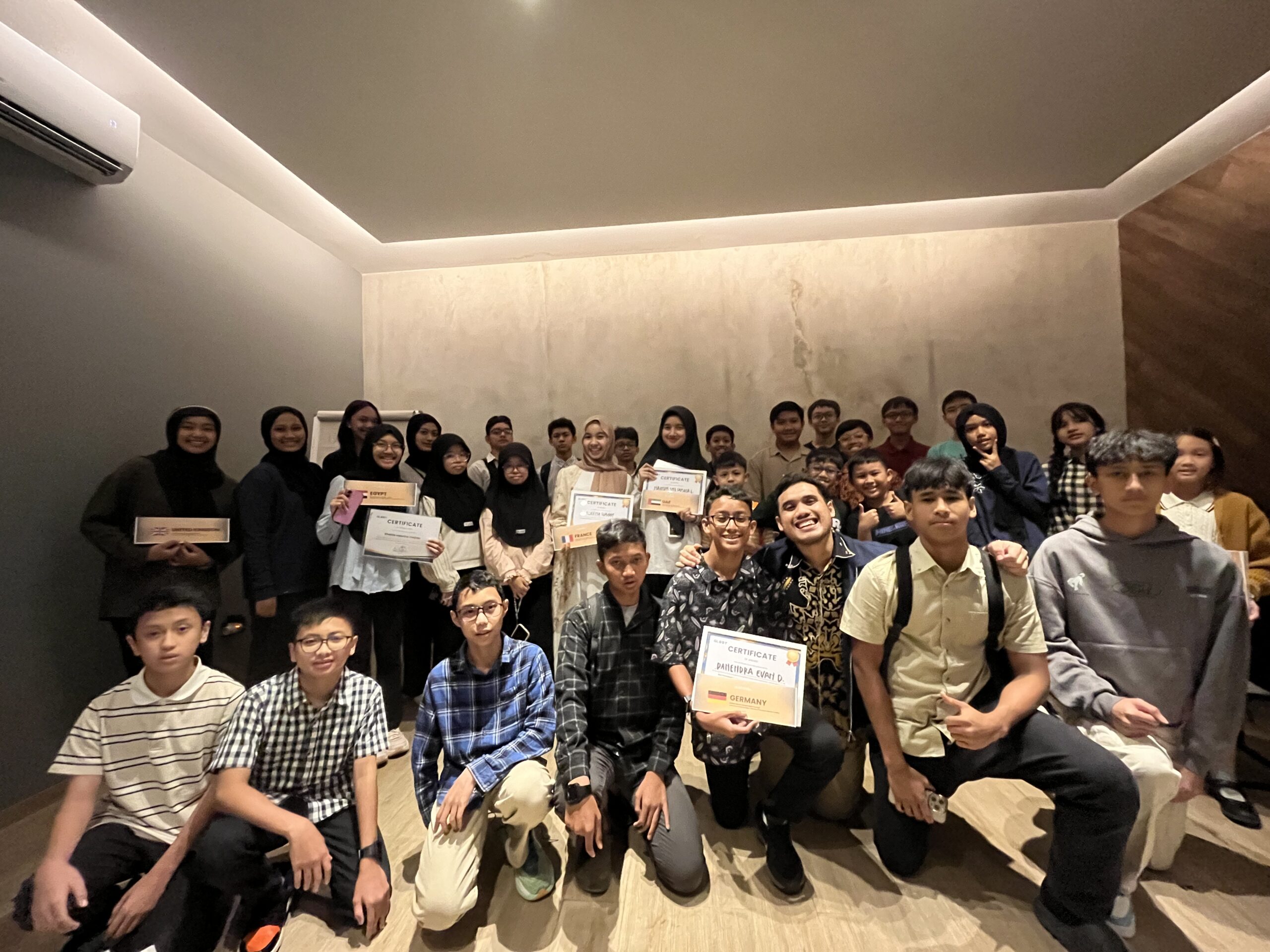
One of the most exciting aspects of participating in a Model United Nations (MUN) conference is the opportunity to be recognized for your performance through various awards. These awards not only reward excellence in public speaking, diplomacy, and collaboration but also reflect the delegate’s level of preparation and engagement throughout the conference.
Types of Awards in Model United Nations
In most MUN conferences, awards are given to the top-performing delegates in each committee. The naming conventions may vary slightly across events, but the following are the most widely recognized categories:
- Best Delegate
This is the highest honor a delegate can receive. The Best Delegate award is given to the participant who demonstrates outstanding performance in all key areas, including diplomacy, substantive input, leadership, and drafting. This award typically corresponds to the first-place delegate in the committee.
- Outstanding Delegate
The Outstanding Delegate award is usually given to the second-best performing delegate. This individual shows strong engagement, substantial arguments, and effective collaboration, making a significant contribution to the debate and resolution process.
- Honourable Mention
This award recognizes the third-place delegate, who has shown consistently commendable performance throughout the sessions. While not at the same level as Best or Outstanding Delegate, an Honourable Mention still reflects a solid understanding of procedure and topic substance.
- Verbal Commendation
A Verbal Commendation is an additional form of recognition, typically awarded to delegates who performed well but did not place in the top three. It serves as an encouragement to continue improving and acknowledges visible effort and contribution.
- Best Position Paper
Separate from in-session performance, the Best Position Paper award is given to the delegate who submits the most well-written, well-researched, and impactful position paper before the conference. Evaluation is based on structure, originality, policy relevance, and writing quality.
How Are MUN Delegates Evaluated?
To determine award recipients, most MUN conferences assess delegates based on four primary criteria. Understanding these evaluation metrics can help you tailor your strategy during committee sessions.
- Activeness
This criterion evaluates how frequently and effectively you participate in the formal sessions. In MUN, delegates must raise their placards and wait for the Chair’s recognition to speak. The more often you speak with relevance and confidence, particularly during speeches, moderated caucuses, and unmoderated sessions, the higher your score in this category.
Important considerations:
- Frequency of speeches
- Willingness to take initiative
- Engagement in caucus discussions
However, quality must not be sacrificed for quantity. Speaking often is important, but only when your contributions are meaningful.
- Substance
This refers to the intellectual depth and relevance of your speeches and interventions. Delegates are expected to provide data, cite resolutions, reference national policies, and propose concrete ideas, not just repeat general or vague statements.
Judges look for:
- Fact-based arguments
- Specific policy recommendations
- Realistic and implementable solutions
Substance is what separates memorable delegates from average ones.
- Diplomacy and Leadership
Diplomacy plays a crucial role in Model UN. This criterion assesses how well you cooperate, negotiate, and form alliances with other delegates during informal sessions and resolution-building.
You are evaluated on:
- Your ability to build consensus
- Respectful engagement with opposing views
- Initiative in leading working groups or caucuses
Strong leadership does not mean dominating discussions; rather, it means guiding dialogue, encouraging participation, and mediating conflicts.
- Drafting
The final component is the quality of the Draft Resolution your bloc submits. A well-crafted resolution demonstrates understanding of the issue, accurate formatting, structured clauses, and practical solutions.
Evaluation includes:
- Clarity and coherence of preambulatory and operative clauses
- Realistic alignment with UN frameworks
- Completeness and originality of the document
Even if you are not the main author, your contributions to the resolution’s content and structure will be considered.
Earning a MUN award requires more than just public speaking skills. It involves thorough preparation, a deep understanding of international issues, collaborative diplomacy, and strategic resolution writing. Whether you aim for Best Delegate, Outstanding Delegate, or Best Position Paper, knowing how delegates are evaluated can help you maximize your impact during the conference.




