
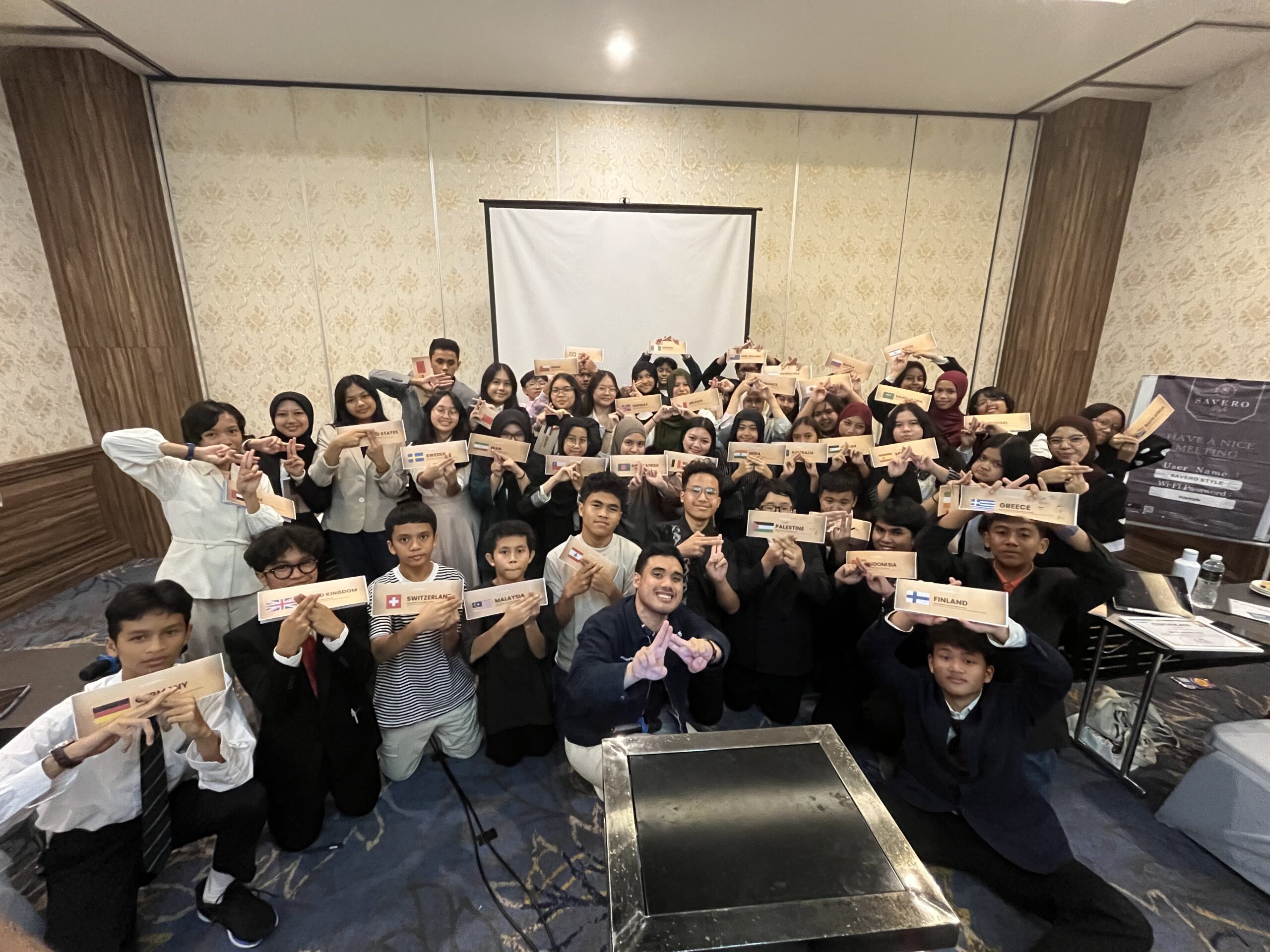
Understanding the full conference flow helps delegates prepare with intention instead of improvisation. The Model United Nations experience follows a clear structure, yet each phase demands different skills and strategic judgment. Delegates who understand this sequence usually perform with more confidence and consistency throughout the conference.
Pre-Conference Model United Nations Preparation Process
The journey starts well before the opening gavel. Registration is followed by country and council allocation, which determines research scope, diplomatic posture, and voting behavior. This stage shapes how a delegate should think, speak, and negotiate later.
Preparation begins with policy research. Delegates analyze their country’s foreign policy, past statements, and international alliances. This research prevents arguments based on personal opinion rather than national interest. Position papers then refine research into clear policy stances and priorities.
Delegates who neglect this stage often struggle during debate. Arguments become vague, and responses lack credibility under questioning. Strong preparation, on the other hand, allows faster adaptation once negotiations intensify. While preparation alone does not secure awards, weak preparation almost always limits influence.
Core Debate Stages in Model United Nations Conferences
Formal debate opens with procedural sessions that establish committee rhythm. Roll call, agenda setting, and opening speeches signal preparedness and clarity. Early structure matters more than dramatic delivery.
Moderated caucuses test precision. Delegates must present focused arguments and respond directly to others within strict time limits. Speaking frequently carries less weight than speaking with purpose. Unmoderated caucuses then shift the environment toward informal negotiation. Bloc formation, compromise, and strategic communication dominate this phase.
Resolution drafting represents a critical transition. Influence depends on collaboration rather than dominance. Delegates who refuse to negotiate often lose relevance, regardless of speech quality. Successful participants help merge ideas, adjust language, and keep coalitions stable under pressure.
Voting, Closing, and Model United Nations Awarding Criteria
Voting reflects coalition strength, not individual brilliance. A successful resolution usually signals effective negotiation long before the vote takes place. Late persuasion helps, but groundwork matters more.
During evaluation, chairs assess overall patterns instead of isolated moments. Consistency, leadership, diplomacy, and growth receive close attention. Awards do not reward constant visibility or aggressive speaking. Strategic impact and contribution to committee progress matter most.
Understanding this evaluation logic reshapes participation strategy. Thoughtful timing often proves more effective than constant intervention. The Model United Nations flow rewards delegates who combine preparation, adaptability, and political awareness across every stage of the conference.
Seeing the conference as a continuous process rather than disconnected sessions allows delegates to allocate effort wisely and build lasting influence from start to finish.




