
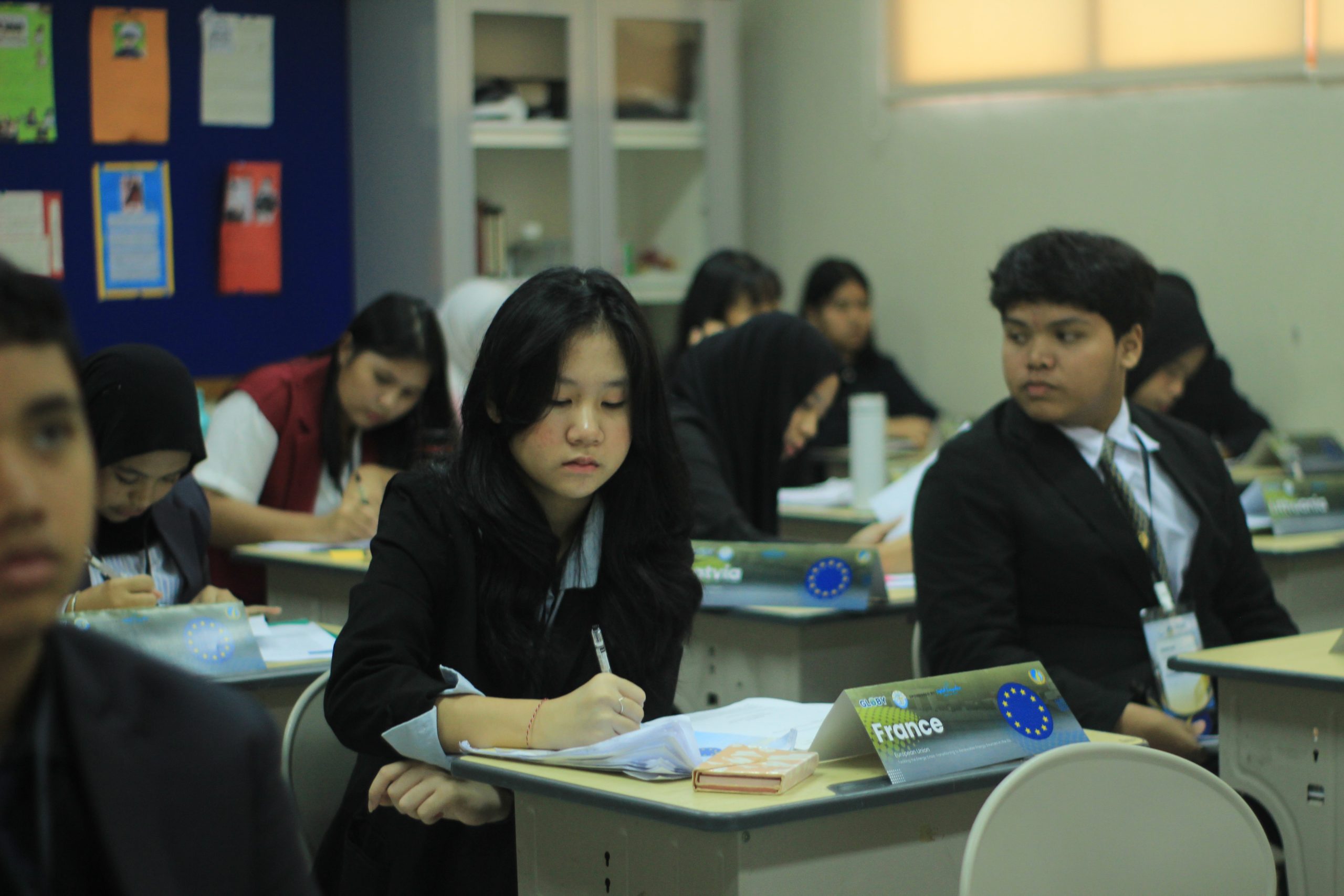
Model United Nations, or MUN, is now a worldwide phenomenon. In these academic simulations, students act as diplomats. They discuss real-world issues and try to build agreement through negotiation. But how did this international tradition begin?
The Early Days: Roots in the League of Nations
The story of MUN starts in the early 20th century, before the real United Nations even existed. Back then, students created something called the Model League of Nations during the 1920s.
The League of Nations was formed after World War I to promote peace. Students around the world began holding mock conferences to learn about diplomacy and global affairs.
From League to United Nations: The Birth of Modern MUN
After World War II ended, people replaced the League with a new organization, the United Nations, in 1945. Soon after that change, student simulations evolved into what we now call Model United Nations.
The first official MUN conference happened at Swarthmore College in Pennsylvania in 1949. Afterward, more universities and high schools across America started their own events. Eventually, these conferences spread beyond U.S borders.
Going Global: MUN Around the World
By the 1980s and 1990s, MUN had reached Europe, Asia, Africa, and Latin America too. Today there are thousands of conferences every year! Some famous ones include Harvard MUN (USA), The Hague International Model UN (Netherlands), and National Model UN (New York City).
At these events students from many backgrounds come together to represent countries on big topics like climate change or world security issues. They develop leadership skills as well as public speaking abilities and they learn how diplomacy works firsthand.
Why Should You Join an MUN?
MUN gives young people a chance to understand complex world problems up close. It encourages critical thinking along with teamwork and empathy for others’ views.
Many former participants go on to become leaders in politics or law, or work internationally as diplomats or activists! However you don’t need big ambitions; anyone can benefit from better communication skills gained at an event like this.
What started out as simple classroom role-play has grown into an important global tradition for youth engagement everywhere today. Through dialogue and sometimes debate, students discover that even tough problems can be solved when people listen carefully and work together. That’s why joining an MUN isn’t just about learning facts; it’s about building hope for our shared future!




