
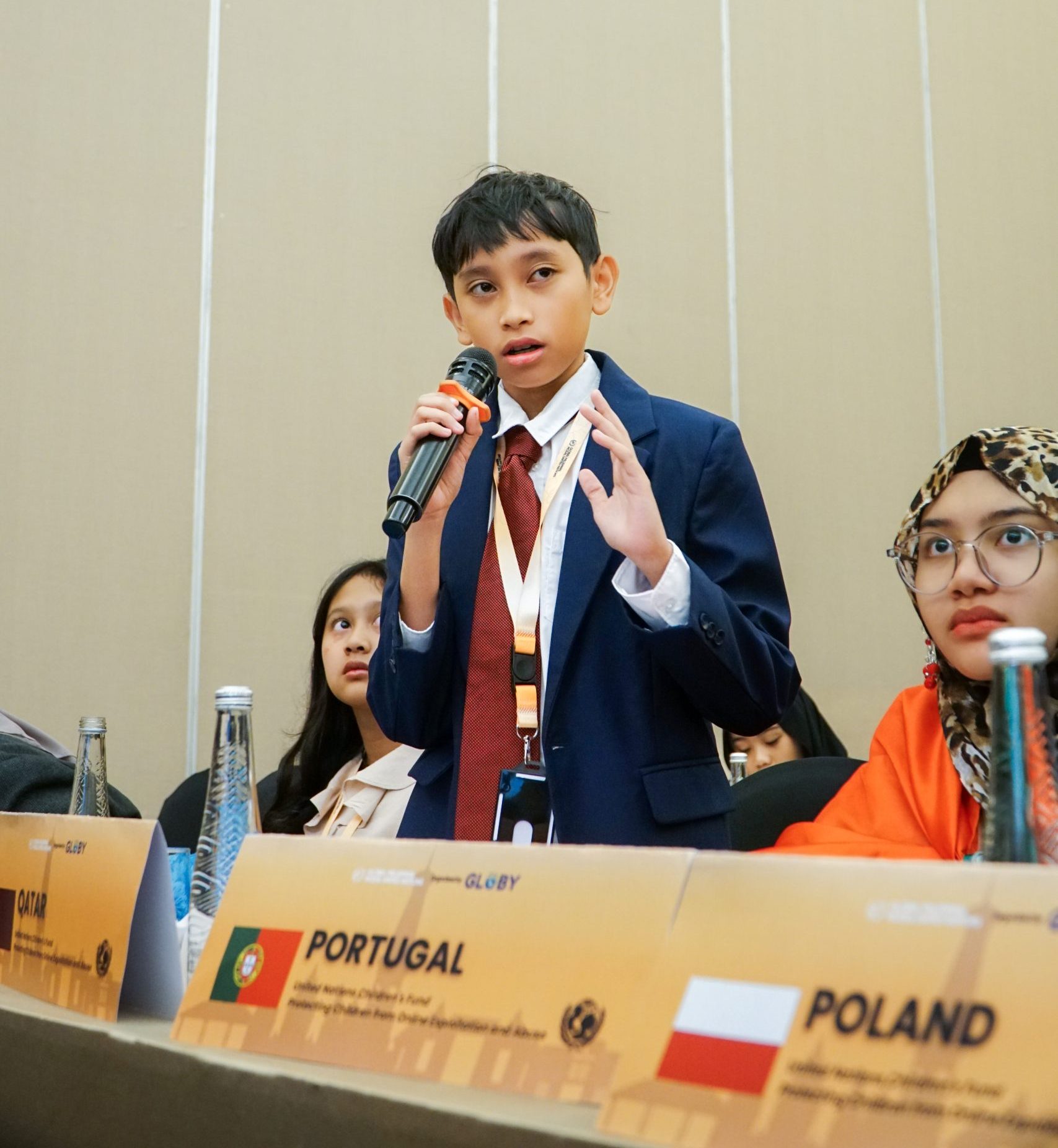
In every Model United Nations conference, you will meet delegates who seem to “dominate” the room. They raise their placards often, speak in almost every round, and jump into questions quickly. They are clearly active—and that is a great start. However, being active does not always mean you are influential. Some delegates speak less, yet their ideas shape the direction of debate, build stronger blocs, and appear in the final resolution. Understanding this difference can help you improve your performance and make your presence count.
What It Means to Be Active in Model United Nations
Being active means you participate consistently throughout the committee session. You volunteer for the General Speakers List, respond to points, ask questions, and propose motions. This kind of involvement shows confidence and engagement, especially for newer delegates who want to prove they belong in the room.
Still, activity often reflects visibility rather than impact. Speaking frequently does not automatically strengthen your position. If your statements repeat what others already said, your contribution may not move the discussion forward.
What It Means to Be Influential in Model United Nations
Influence in MUN comes from impact. Influential delegates do more than speak—they steer the debate, guide negotiations, and offer solutions that others can support. You can usually see influence through results: your clauses appear in working papers, your bloc follows your approach, and other delegates seek your input during unmoderated caucuses.
An influential delegate also knows when to speak and when to negotiate. Instead of chasing airtime, they focus on shaping outcomes. That mindset often separates strong delegates from average ones.
Why Active Delegates Are Not Always Influential
Many delegates stay active without gaining real influence because they speak without a clear strategy. Their speeches may sound confident, yet they remain too broad, too repetitive, or too disconnected from the committee’s agenda. Some delegates also focus too much on being noticed by the chair, which can distract them from building alliances.
In reality, most influence happens during unmoderated caucus. That is where deals form, blocs merge, and draft resolutions take shape. If you skip this part or stay passive during negotiations, you lose the chance to lead.
How to Become Influential Without Speaking the Most
To become more influential, focus on quality over quantity. Choose one or two strong ideas and develop them into realistic solutions. A clear signature proposal makes it easier for others to remember you and support your plan.
Next, strengthen your lobbying skills. Talk to other delegates, understand their priorities, and offer compromises that protect your country’s interests. You can also build influence through drafting. Delegates respect those who write strong operative clauses with clear actions, realistic implementation, and measurable outcomes.
Framing also matters. You can guide the room by shifting how people view the issue. For example, you can connect security concerns to economic stability or link humanitarian responses to long-term development. When you support your arguments with credible data and real-world examples, your ideas gain trust faster.
Visibility Helps, Impact Wins
Being active helps you build confidence, but influence creates results. You do not need to speak the most to become one of the strongest delegates in the room. Instead, aim to shape decisions, lead negotiations, and contribute solutions that others adopt. In MUN, visibility matters—but impact matters more.




