
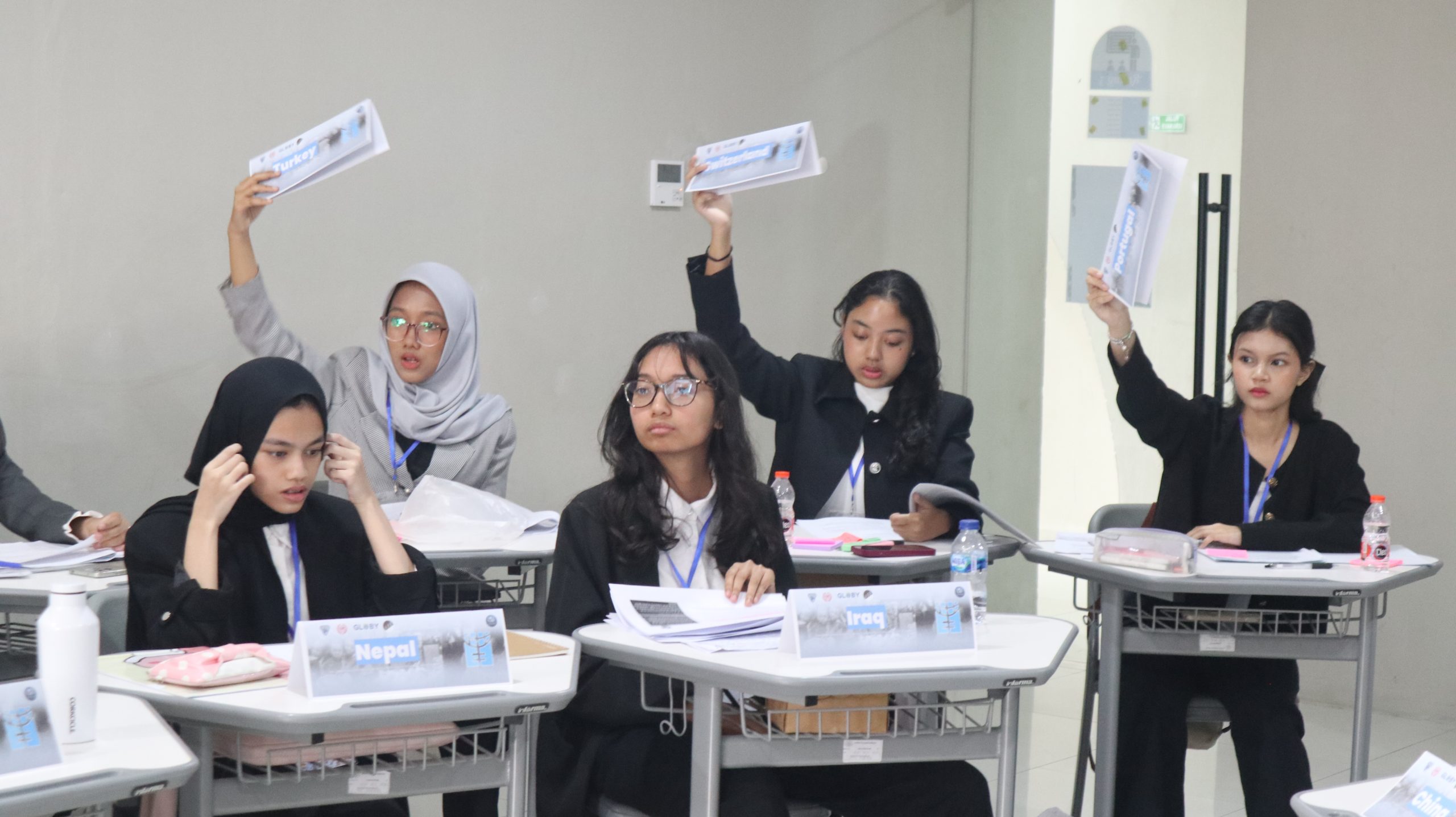
A well-written Position Paper is one of the most important documents a delegate will submit in preparation for a Model United Nations (MUN) conference. It serves as an official statement of a country’s stance on a particular issue and provides insight into a delegate’s level of preparation, research ability, and diplomatic thinking.
For many MUN conferences, the Position Paper is required prior to the event and often contributes to delegate evaluation, making it a critical first step toward a successful performance.
This guide outlines everything you need to know about how to write a high-quality Position Paper for MUN, including structure, formatting, and practical writing tips.
What Is a Position Paper?
A Position Paper is a concise policy document written by a delegate that outlines the official stance of their assigned country or delegation regarding the topics under discussion in committee. It includes:
- The country’s position on the issue
- A brief background or analysis of the topic
- A review of past international actions
- Proposed policy recommendations or solutions in line with the country’s interests and the committee’s mandate
A strong Position Paper demonstrates a clear understanding of the issue, is grounded in relevant research, and proposes solutions that are both realistic and aligned with diplomatic frameworks.
General Guidelines and Formatting Requirements
Before writing your Position Paper, it is essential to review the format and submission guidelines provided by the conference. While formats can vary slightly between MUN events, the following are standard requirements:
Maximum length: Two (2) pages, not including the bibliography or references
Original content: Papers must be written entirely in your own words. Direct copying from sources is prohibited
Plagiarism policy: A maximum similarity index of 20% is typically enforced, which includes the use of generative AI tools
Citation: All references to external sources (data, resolutions, quotes, etc.) must be properly cited in an accepted format (APA, MLA, or Chicago, depending on conference instructions)
Delegates may use AI tools for research, but the Position Paper must reflect personal comprehension and writing. Over-reliance on AI-generated content is discouraged and may result in disqualification.
Structure of a Position Paper
A professional MUN Position Paper typically follows a four-part structure. Each section plays a specific role in communicating your country’s perspective and policy approach.
- Background of the Topic
This section provides a brief but comprehensive explanation of the issue at hand. Delegates should define the topic, highlight its global relevance, and identify the major stakeholders involved.The goal is to establish a contextual understanding of the topic as it stands in international affairs.
Include the following:
- Key facts and statistics
- Historical developments related to the issue
- Current global trends or crises that make the issue urgent
- Past International Actions
This section outlines what the international community has done in response to the issue. Delegates should summarize major UN resolutions, international treaties, or actions taken by intergovernmental organizations (IGOs) and NGOs. This section helps set the foundation for understanding why new or revised solutions may be necessary. Key points to include:
- Relevant UN resolutions (with numbers and years)
- Major summits or conferences
- Notable actions by regional bodies (e.g., African Union, ASEAN, EU)
- Gaps or failures in past efforts
- Country’s Stance
In this section, delegates articulate their assigned country’s position on the issue. The stance should be based on the country’s past statements, national policy, voting history, or regional interests. Include the following:
- Official government statements or press releases
- National legislation or programs
- Relevant partnerships or alliances
- The country’s unique interests or challenges related to the issue
Note: It is crucial to avoid expressing personal opinions. All arguments must reflect the political and diplomatic perspective of the country being represented.
- Possible Solutions
The final and most important section presents realistic and committee-appropriate solutions from the country’s point of view. Delegates should ensure these proposals align with international law, respect state sovereignty, and fit within the committee’s scope. Strong solutions:
- Are specific, actionable, and detailed
- Address both short-term and long-term needs
- Reference existing UN bodies, programs, or funding mechanisms
- Reflect the interests of your country and its allies
Avoid vague statements such as “the country supports peace” without concrete steps. Instead, propose actionable policies, partnerships, or reforms.
Writing a Position Paper is not simply an academic exercise; it is an opportunity to demonstrate your understanding of global affairs, diplomatic thinking, and policy-making. A well-crafted Position Paper can help you stand out as a delegate and prepare you for meaningful contributions in committee sessions.




