
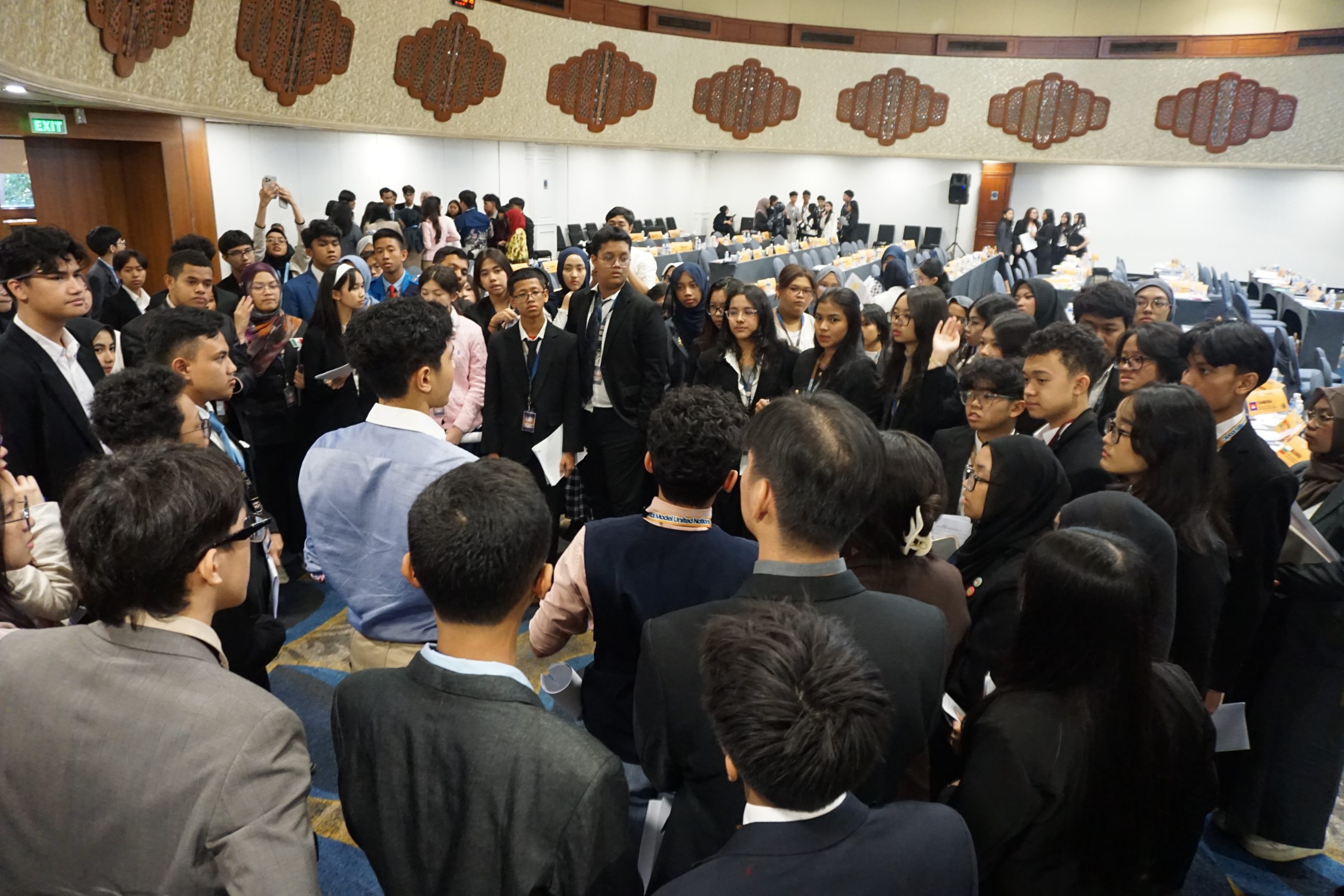
Your first Model United Nations conference can feel overwhelming, especially when everyone around you seems to speak a completely different language.
Motion, Caucus, Yield.
if you have never joined an MUN before, these words can sound confusing. The good news? You don’t need to memorize every term before your first conference. Start with the basics, and the rest will become much easier once you experience a committee session yourself.
Model United Nations, commonly known as MUN, is an academic simulation where students act as representatives of different countries and discuss global issues. Throughout the conference, delegates are expected to research their assigned country, present arguments, negotiate with others, and work together to create possible solutions.
To help you feel more prepared, here are seven common MUN terms you are likely to encounter during a conference.
1. Position Paper
Source: Pinterest
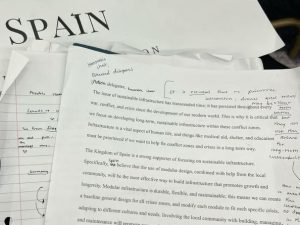
Before you enter the committee room, there is a good chance you will have to submit a position paper. Think of it as a written summary of your country’s stance on the issue being discussed. It gives you an opportunity to explain the problem, show what your country thinks about it, and suggest actions that could help address it.
Your personal opinion might be completely different from your country’s official position, and that’s okay. In MUN, your arguments should be based on your country’s policies, interests, international relations, and previous actions.
A position paper can also save you a lot of time when preparing for the conference. The research you put into it can later help you build speeches, prepare arguments, and decide which solutions your delegation should support.
So before writing one, don’t just search for opinions about the topic. Dig into your country’s actual policies and understand its perspective.
2. Board of Dais

Wondering who is in charge of the committee while everyone else is debating? Meet the Board of Dais.
The Board of Dais is responsible for managing the committee and making sure the session follows the conference’s Rules of Procedure. The exact roles can differ between conferences, but you will commonly encounter positions such as the Chair, Director, and Rapporteur.
- The Chair is usually the person you interact with the most. They manage the flow of debate, recognize speakers, handle motions, and make sure delegates follow the established procedures.
- The Director generally helps oversee the substantive side of the committee and may provide guidance on the topic being discussed.
- The Rapporteur typically takes care of administrative and organizational tasks, including keeping track of speakers and managing certain aspects of the committee’s timing and documentation.
In short, the Board of Dais keeps the committee from turning into a room full of people talking over one another. When they give an instruction, pay attention. Knowing the procedure is just as important as having a good argument.
3. Roll Call
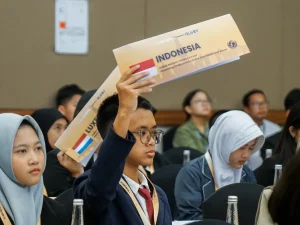
The conference hasn’t really started until you’ve heard your country being called. This part of the session is known as roll call. During roll call, the Chair checks which delegations are present in the committee. Each country is called individually, and its delegate responds according to the conference’s rules.
You may be asked to respond with “present” or “present and voting.” These responses can have different implications depending on the Rules of Procedure used by the conference.
While roll call may only take a few minutes, it is still an important part of the committee because it establishes which delegations are participating and, in some formats, determines their voting status.
So when you hear your country’s name, be ready. Yes, even if you’ve only just sat down.
4. General Speakers List (GSL)

Want to formally introduce your country’s position to the committee? That’s where the General Speakers List, commonly shortened to GSL, comes in.
The GSL is essentially a queue of delegates who want to address the committee during formal debate. Each speaker receives a specific amount of time to deliver their speech. This is your chance to give other delegates a clear idea of where your country stands.
A strong GSL speech can briefly introduce the issue, explain your country’s concerns, and highlight the direction your delegation wants the discussion to take. You don’t need to solve the entire problem in one speech. Instead, focus on making your country’s priorities clear.
Because speaking time is limited, preparation matters. Know your main argument before you step up to the podium, and avoid spending most of your time on a long introduction. Your goal is simple: make the committee understand what your country wants to achieve.
5. Moderated & Unmoderated Caucus

If you hear delegates talking about a moderated caucus or an unmoderated caucus, don’t worry, they are simply different ways of moving the discussion forward.
A moderated caucus is a more structured form of debate. The committee focuses on a particular subtopic, and delegates take turns speaking for a set amount of time. For example, the Chair might introduce a 10-minute moderated caucus with 45 seconds of speaking time per delegate. The exact format depends on the conference.
An unmoderated caucus is much less formal.
Instead of speaking one by one from your seat, delegates can move around the room and communicate directly with one another. This is often when you will see groups forming around shared ideas and interests.
Unmoderated caucuses are particularly important for negotiation. You can approach other delegations, compare proposals, discuss possible clauses, and work toward a draft resolution together. If you use the time well, an unmoderated caucus can determine which ideas actually make it into the final resolution.
6. Yield
Imagine you have been given one minute to speak, but you finish everything you want to say after 40 seconds.
What happens to the remaining 20 seconds? That’s where yield comes in.
A yield allows a delegate to indicate what should happen to the rest of their speaking time after they finish their speech. One common option is yielding back to the Chair, meaning you give the remaining time back rather than continuing to speak.
Some conferences may also allow delegates to yield their remaining time to another delegate or use other forms of yield, depending on their specific procedures. The important thing to remember is that yield rules are not necessarily identical at every MUN conference.
Before your committee begins, make sure you read the Rules of Procedure so you know which options are available. And if you finish your speech early, don’t freeze at the podium. Just follow the procedure you’ve been given.
7. Draft Resolution
After all the speeches and negotiations, delegates need to turn their discussions into something concrete. That is where the Draft Resolution comes in.
A Draft Resolution is a document that brings together the solutions proposed by delegates. Rather than simply stating that a problem exists, it outlines specific actions that could be taken to address it.
These proposed actions are organized into different clauses. Delegates work together to discuss, modify, and negotiate the content before the document reaches the final stages of the committee.
You will often hear the terms sponsors and signatories during this stage. Their exact roles and requirements can vary depending on the conference’s rules. Creating a resolution is where your negotiation skills really matter.
You may have an excellent solution, but that does not automatically mean other countries will support it. You need to communicate your ideas, compromise when necessary, and find solutions that different delegations can agree on.
That is one of the things that makes MUN different from a typical debate. Sometimes, the strongest delegate isn’t the person with the loudest argument. It is the person who can turn different ideas into one workable solution.
Want to know more about MUN?
Read here and stay-tuned on our social media for more information!





