
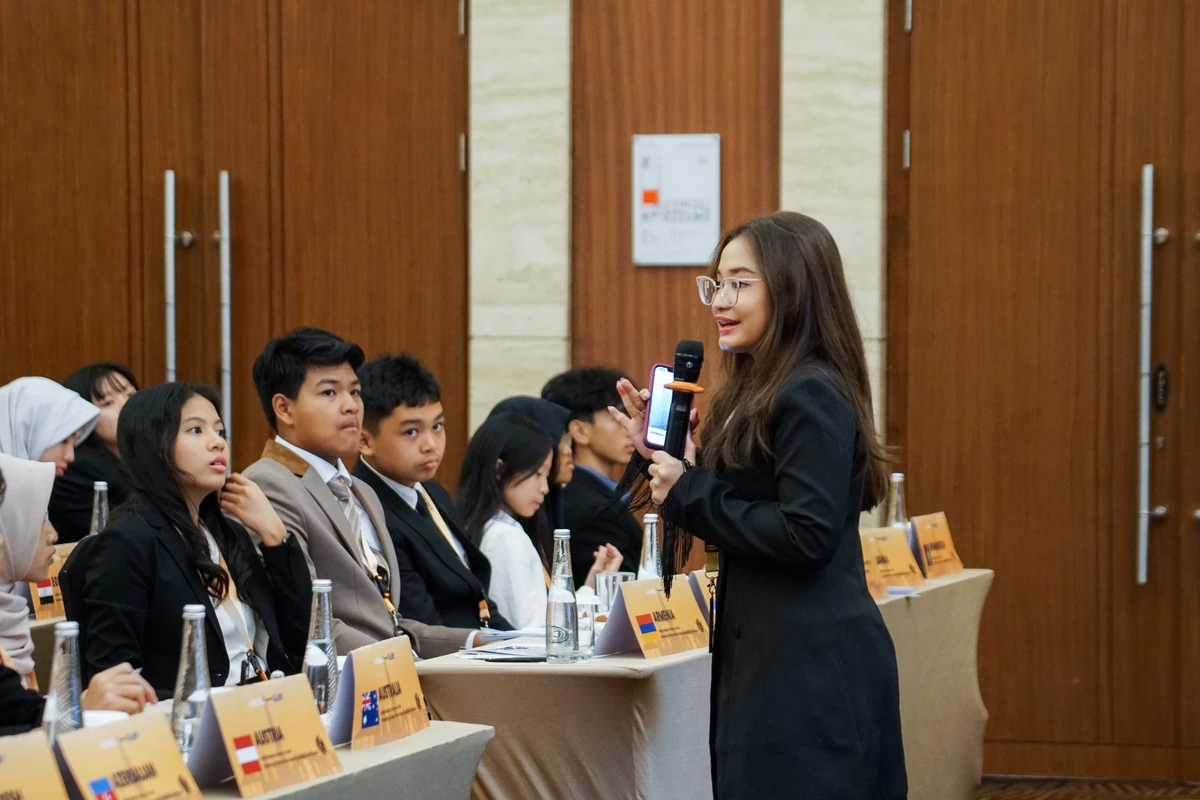
In today’s interconnected world, academic excellence alone is no longer enough. Schools, universities, and future employers increasingly value students who can think critically, communicate effectively, collaborate with others, and understand global issues. One of the best ways to develop these skills is through Model United Nations (MUN).
Over the years, MUN has become increasingly popular in Indonesia, attracting students from elementary school to university. By participating in a simulation of the United Nations, delegates gain valuable experience in diplomacy, public speaking, leadership, and international affairs.
What Is Model United Nations?
Model United Nations (MUN) is an academic simulation of the United Nations where students represent different countries and debate global issues from their assigned nation’s perspective.
Instead of expressing personal opinions, delegates research their country’s policies, analyze international challenges, and propose solutions through diplomacy and negotiation. Topics commonly include climate change, human rights, global health, education, international security, and sustainable development. Through these discussions, participants learn how international cooperation works while developing a deeper understanding of global affairs.
Why Is MUN Growing in Indonesia?
The growing popularity of MUN reflects students’ desire to build skills beyond the classroom. Many schools and organizations now organize conferences that provide students with opportunities to challenge themselves in an international academic environment.
One of the biggest benefits of MUN is improved public speaking. Delegates regularly deliver speeches, participate in debates, and respond to questions, helping them become more confident communicators.
MUN also develops critical thinking by encouraging students to analyze complex issues from multiple perspectives and create evidence-based solutions. At the same time, delegates strengthen their negotiation and teamwork skills by collaborating with others to draft resolutions and reach consensus on global problems.
Skills Students Develop Through MUN
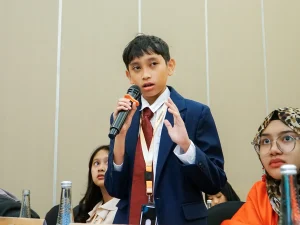
Beyond learning about international relations, MUN equips students with practical skills that are valuable for higher education and future careers.
Participants improve their communication by presenting ideas clearly and engaging in constructive discussions. They develop leadership by taking initiative during committee sessions and working with other delegates to solve problems. MUN also strengthens research, academic writing, teamwork, and time management, as students prepare Position Papers, analyze global issues, and collaborate throughout the conference.
These transferable skills are increasingly valued by universities, scholarship providers, and employers worldwide.
More Than a Path to Diplomacy
Although MUN is often associated with careers in international relations, its benefits extend to almost every field.
Students interested in medicine, engineering, law, business, psychology, computer science, economics, and many other disciplines participate in MUN to improve essential soft skills. The ability to communicate effectively, think critically, solve problems, and collaborate with diverse teams is valuable regardless of career choice.
A Strong Addition to Your Academic Portfolio
Participating in MUN can also strengthen a student’s academic portfolio. Many universities, especially international institutions, look beyond grades and consider extracurricular involvement, leadership experience, and global engagement during admissions.
Whether or not delegates receive awards, participating in MUN demonstrates initiative, resilience, intellectual curiosity, and a commitment to personal growth—qualities that stand out in scholarship and university applications.
Preparing for Your First MUN Conference
Joining your first MUN may seem challenging, especially if you are unfamiliar with conference procedures or public speaking in English. However, preparation makes a significant difference.
Students should begin by learning how MUN conferences operate, following international news, and researching their assigned country. Practicing public speaking and understanding how to write Position Papers and Draft Resolutions can also help delegates feel more confident. Participating in workshops or training programs before attending a conference is another effective way to build the necessary skills.
Building Future-Ready Leaders
Model United Nations is much more than an academic competition. It is a platform where students develop leadership, diplomacy, communication, and problem-solving skills through real-world simulations of international decision-making.
As more Indonesian students seek opportunities to prepare for a global future, MUN continues to serve as a valuable learning experience. Whether students aspire to become diplomats, entrepreneurs, engineers, doctors, or business leaders, the skills they gain through MUN help them become confident, adaptable, and globally minded individuals.
Ready to Put Your MUN Skills into Practice?
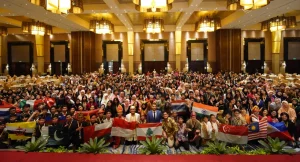
Understanding what chairs evaluate is only the first step. The best way to improve is by applying these strategies in a real conference, where you’ll experience formal debates, negotiate with delegates, and receive feedback from experienced chairs.
GM MUN 22nd Edition Jakarta 2026 is the biggest beginner-friendly Model United Nations in Indonesia, bringing together delegates from around the world in an international conference designed for both first-time and experienced participants. With age-based committees and recognition through certificates curated by Puspresnas, it’s the perfect opportunity to build your confidence and elevate your MUN journey.
Ready to represent your country and debate global issues?
Register now and take your first step toward becoming a future global leader.




