
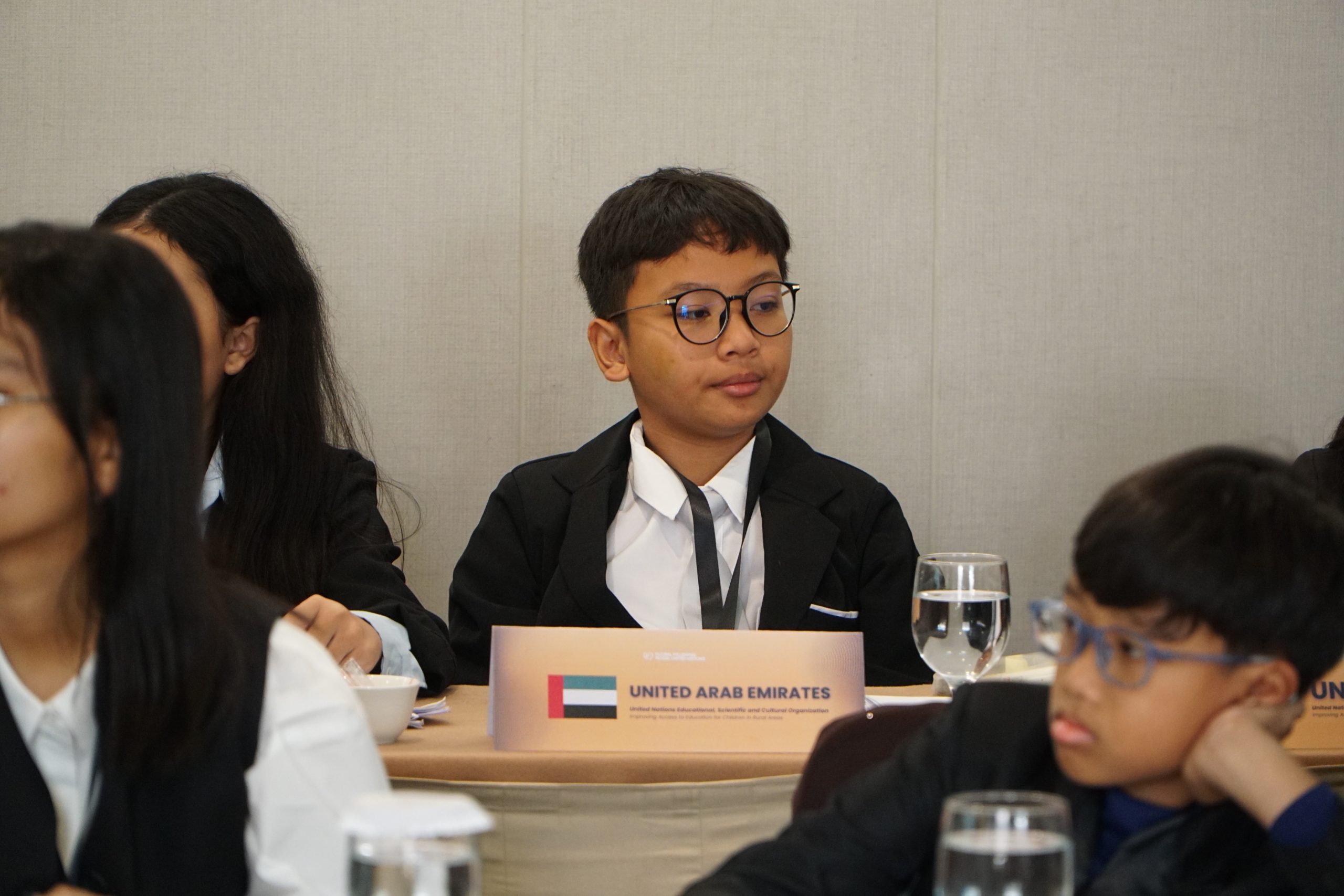
Language often becomes a source of anxiety for new delegates in Model United Nations. English dominates most conferences, yet it does not function as a test of intelligence or legitimacy. In practice, effectiveness matters more than accent or vocabulary range.
Official Language in Model United Nations Conferences
English became the default language in most MUN events due to historical influence, accessibility, and the dominance of English in international diplomacy. Global participation pushed organizers toward one shared working language rather than multiple official options.
Rules of procedure usually mandate English for formal debate, speeches, and documents. However, real conference dynamics look different. Informal negotiations often include mixed languages, simplified English, or paraphrasing among delegates who share a common background. Chairs typically prioritize comprehension over perfection.
Is English Fluency Mandatory in MUN?
Full fluency is not required in MUN debates. What matters more is clarity. A delegate who speaks slowly with clear structure often outperforms someone who uses complex language without direction.
Fluency, clarity, and effectiveness differ. Fluency relates to comfort. Clarity relates to structure. Effectiveness relates to impact. Conferences reward the last two. A realistic minimum level involves basic sentence construction, policy vocabulary, and the ability to respond to points. Advanced idioms or rhetorical flourishes remain optional.
Real Challenges for Non-Native Model United Nations Delegates
Non-native speakers in MUN face pressure from limited processing time. Debates move quickly, and responses must be shaped under strict time limits. Thinking, translating, and speaking at once creates fatigue.
Psychological intimidation also plays a role. Fast speakers can appear dominant, even when substance lacks depth. This dynamic often discourages quieter delegates, despite solid research. Awareness of this bias helps reduce its impact.
Strategies to Overcome Language Limits in MUN
Simple language paired with strong structure works well in MUN settings. Short sentences, clear policy links, and deliberate pacing improve credibility. Complexity does not equal strength.
Research compensates for language limits. Delegates with strong data, clear positioning, and confident non-verbal delivery often influence negotiations without speaking frequently. Presence during caucuses, eye contact, and controlled tone reinforce authority beyond words.
Language functions as a tool, not a competence filter. In MUN, ideas win through clarity, preparation, and strategic awareness. English enables communication, but it never defines a delegate’s potential.




