
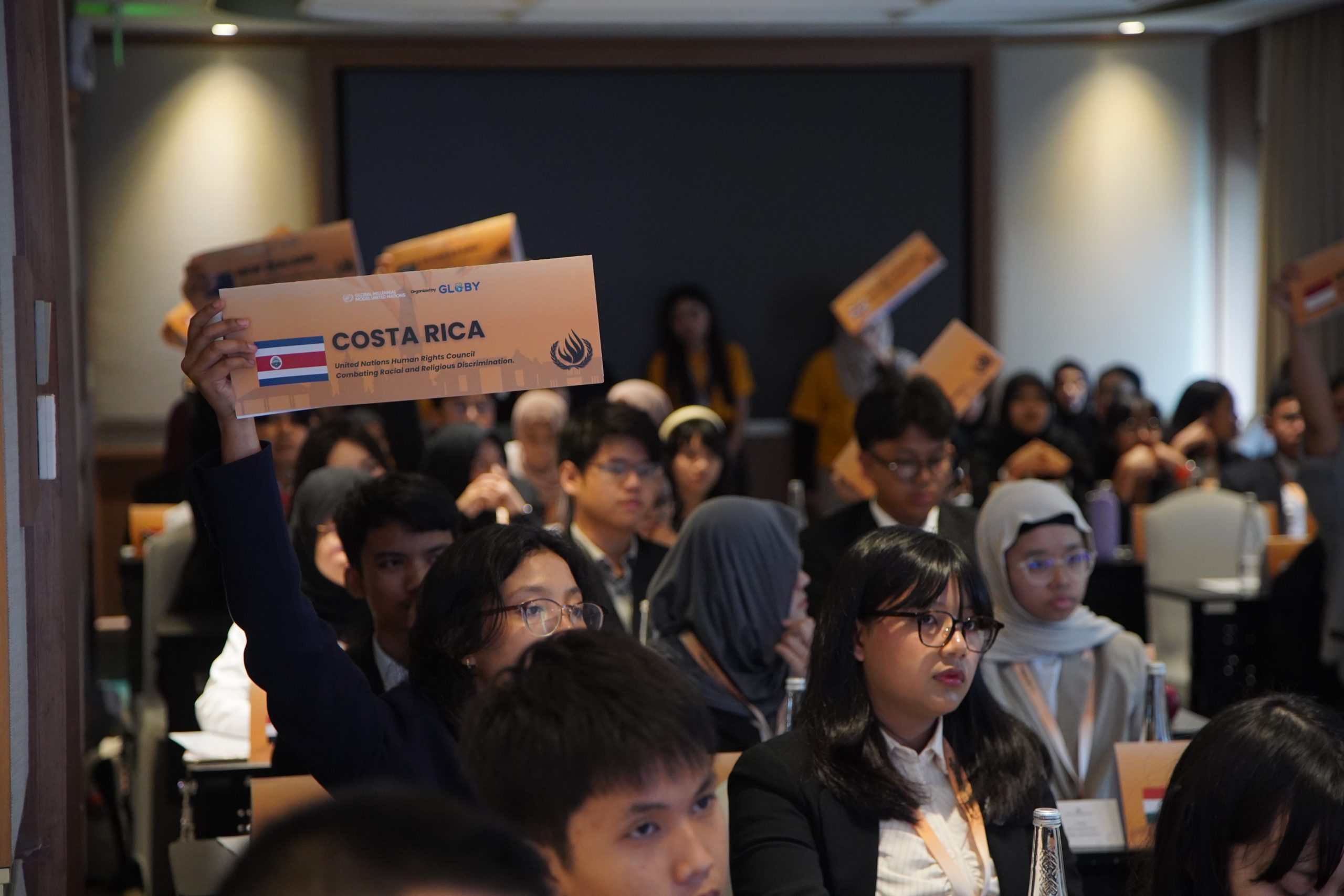
Pressure is an unavoidable part of every MUN conference. Tight speaking time, intense debates, unexpected motions, and the presence of experienced delegates all create a high-pressure environment. While preparation matters, pressure often reveals how delegates truly think and respond in real time. Understanding these thought patterns can help delegates improve their performance and confidence in council sessions.
From Strategic Thinking to Survival Mode
When pressure rises, many MUN delegates shift from strategic planning to survival mode. Instead of thinking about long-term goals or resolution outcomes, they focus on immediate tasks such as securing speaking time or defending their position. This shift often leads to rushed speeches, repeated arguments, or overly defensive responses. Delegates who recognize this pattern can pause, recalibrate, and regain control of their strategy.
Preparation Shapes Thought Processes
Pressure affects prepared and unprepared delegates differently. Well-prepared delegates rely on structured knowledge and rehearsed arguments when tension increases. They can adapt quickly because they understand both the issue and their country’s stance. On the other hand, delegates with limited preparation often panic under pressure. They struggle to organize thoughts and react impulsively. Consistent research and practice provide mental anchors that stabilize thinking during stressful moments.
Decision-Making Under Time Constraints
Council sessions rarely allow unlimited time for reflection. Delegates must make fast decisions about motions, alliances, and negotiation strategies. Under pressure, many delegates choose safer options rather than innovative ones. This tendency explains why some councils become repetitive or stagnant. However, confident delegates assess risks quickly and act decisively. They understand that imperfect action often matters more than delayed perfection in fast-paced environments.
Emotions Compete with Logic
Pressure intensifies emotions such as nervousness, fear of judgment, and self-doubt. These emotions can cloud logical reasoning and reduce clarity. Delegates who allow emotions to dominate may overthink their speeches or hesitate to participate. Successful delegates acknowledge their emotions without letting them control decisions. Simple techniques such as controlled breathing, positive self-talk, and active listening help maintain mental balance during intense debates.
Collaboration Under Stress
As pressure increases, many delegates narrow their focus and limit interactions. They stay within familiar blocs or avoid negotiations altogether. However, strong delegates use pressure as motivation to communicate more, not less. Collaboration distributes cognitive load and reduces individual stress. Delegates who seek allies, exchange ideas, and compromise effectively often perform better and influence outcomes more significantly.
Pressure does not weaken delegates—it reveals them. The way delegates think under pressure reflects their preparation, mindset, and adaptability. Successful delegates do not eliminate pressure; they learn to manage it. By understanding these mental patterns and preparing accordingly, delegates can turn pressure into a tool for growth and impact. In high-stakes councils like GM MUN, mental resilience matters just as much as knowledge and diplomacy.




