
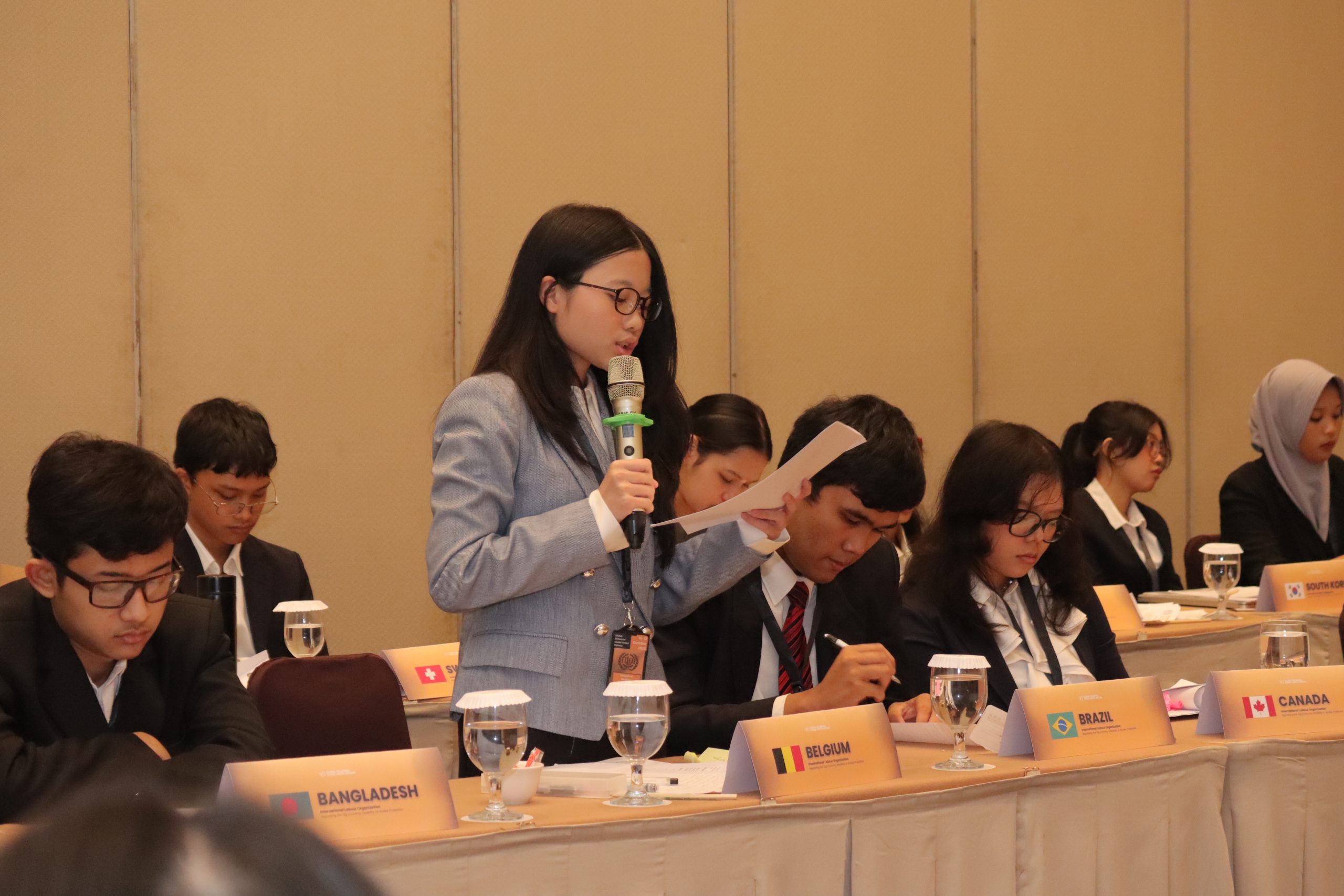
Delegates often enter their first council believing that awards depend on visibility. The logic feels intuitive. Speak often, sound confident, and recognition should follow. In practice, scoring in Model United Nations works very differently. Chairs do not count speeches or rely on hidden point systems. They observe patterns of behavior, judgment, and engagement across the entire council. Understanding what chairs actually assess changes how delegates should approach debate.
Policy Accuracy Comes First
Every evaluation begins with policy. Chairs assess whether a delegate understands and represents their country’s real positions. Arguments are expected to reflect national interests, past actions, and diplomatic constraints. Original ideas can strengthen a position, but only when they remain realistic. Proposals that ignore political context weaken credibility, regardless of delivery. Chairs quickly recognize when delegates argue personal beliefs instead of state policy. Accuracy also applies to framing. Delegates who use precise language and realistic mechanisms demonstrate preparation and discipline. Strong research does not guarantee awards, but weak research almost always limits evaluation.
Participation Is About Substance
Chairs do not reward delegates for speaking the most. They reward those who speak with purpose. Timing, relevance, and responsiveness matter more than frequency. A short intervention that moves debate forward often carries more weight than several repetitive speeches. Chairs observe whether a delegate engages with previous arguments, addresses unresolved issues, or adapts to shifts in discussion. Silence for extended periods can signal disengagement. At the same time, speaking without adding value creates the same impression. Effective participation reflects judgment rather than volume.
Collaboration Signals Real Influence
Although Model United Nations is competitive, scoring favors cooperation. Chairs closely observe behavior during negotiations. Drafting clauses, coordinating blocs, and resolving disagreements contribute strongly to evaluation. Leadership rarely appears through dominance. It shows through facilitation. Delegates who help others find common ground often shape outcomes more effectively than those who push language aggressively. Informal sessions matter as much as formal debate. Delegates who disengage during unmoderated caucuses lose visibility where real progress occurs. Chairs notice who contributes when no microphone is involved.
Consistency Matters More Than Moments
Awards reflect sustained engagement. One impressive speech cannot compensate for long stretches of inactivity. Chairs look for reliability throughout the council. Consistent preparation, steady participation, and follow-through on commitments strengthen evaluation. Diplomacy values dependability, and scoring reflects that expectation. Mistakes do not automatically remove award potential. However, repeated lapses in focus or effort weaken a delegate’s standing.
What Delegates Should Take From This
Scoring in Model United Nations is not a formula. It is an assessment of judgment, awareness, and discipline over time. Chairs reward delegates who understand their role, respect the process, and contribute meaningfully to collective outcomes. Chasing visibility alone rarely works. Delegates who think strategically, collaborate effectively, and remain engaged from start to finish place themselves in a stronger position. Recognition tends to follow performance that is steady, credible, and grounded in policy rather than noise.




