
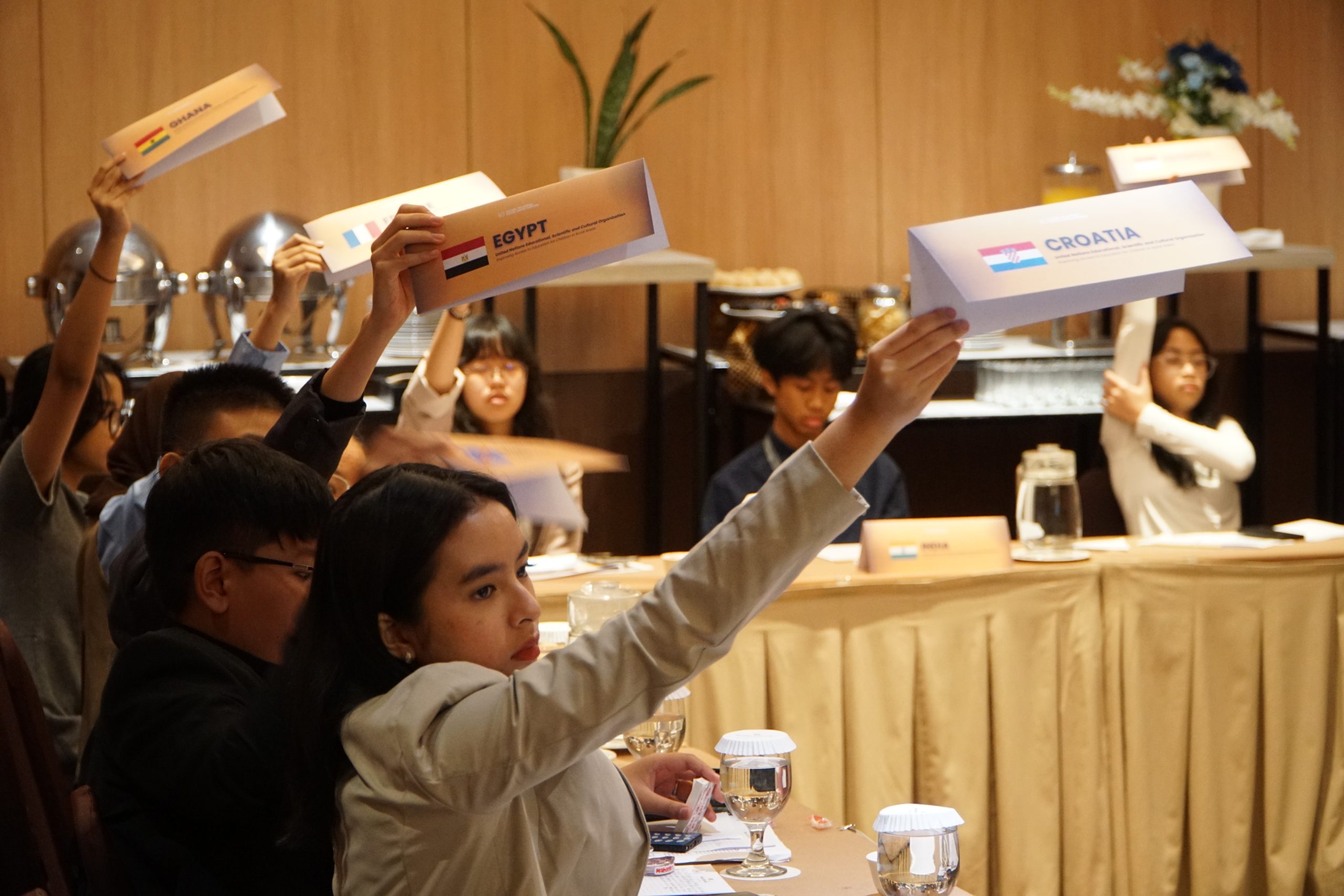
Public speaking is often assumed to be the greatest hurdle in Model United Nations. New delegates worry about accents, grammar, or freezing at the microphone. While these concerns are understandable, they rarely define success or failure at a conference. In practice, many delegates who speak confidently still struggle to make an impact. The real challenge of Model United Nations lies elsewhere.
Strategic Awareness in Model United Nations
The core difficulty of MUN is strategic awareness. Delegates are required to make constant decisions in a fast-moving environment. When should you raise your placard. When should you negotiate informally. When is it smarter to stay silent and observe. These choices must be made under time pressure, often with incomplete information.
Speaking often does not automatically increase influence. In fact, frequent but unfocused interventions can weaken a delegate’s position. At the same time, staying silent for too long reduces visibility and credibility. Strong delegates understand that timing matters more than volume. They speak when their intervention can shift discussion, support allies, or block unfavorable directions. This strategic restraint is difficult, especially for beginners who equate participation with frequency.
Representing Policy, Not Personal Opinion
Another major challenge in MUN is separating personal beliefs from national policy. Delegates are not invited to express what they personally think is right. They are expected to advocate for the interests, priorities, and constraints of their assigned country.
Baca juga: 7 Mistakes Beginner Delegates Make in Model United Nations
This requirement demands analytical discipline. Many beginners default to moral arguments that feel persuasive but do not reflect state policy. For example, arguing for ideal outcomes without considering economic, political, or security interests weakens credibility. Chairs notice this quickly. Delegates who consistently align their statements with policy positions appear more prepared, even if their English is imperfect. The ability to maintain this distance between self and role is one of the most underestimated skills in Model United Nations.
Collaboration Without Losing Influence in Model United Nations
Model United Nations rewards collaboration, but it is not purely cooperative. Delegates must work together to draft resolutions while still protecting their own country’s interests. This balance is delicate. Excessive compromise can erase a country’s priorities. Excessive rigidity can isolate a delegate from negotiations.
Effective delegates influence outcomes quietly. They listen carefully, adjust wording, and frame compromises in ways that still serve their objectives. This form of influence often happens outside formal speeches, during moderated caucuses or informal negotiations. Emotional intelligence becomes as important as policy knowledge.
Emotional Control as a Core Skill
Debates can become tense. Motions fail. Clauses are rejected. Alliances shift unexpectedly. These moments test emotional control. Delegates who react defensively or emotionally often lose strategic clarity. Those who remain calm are better positioned to reassess and adapt.
Ultimately, the biggest challenge in MUN is not fear of public speaking. It is maintaining strategy, discipline, and perspective in a dynamic and competitive environment. Delegates who master these elements stand out, regardless of how loudly or frequently they speak.




