
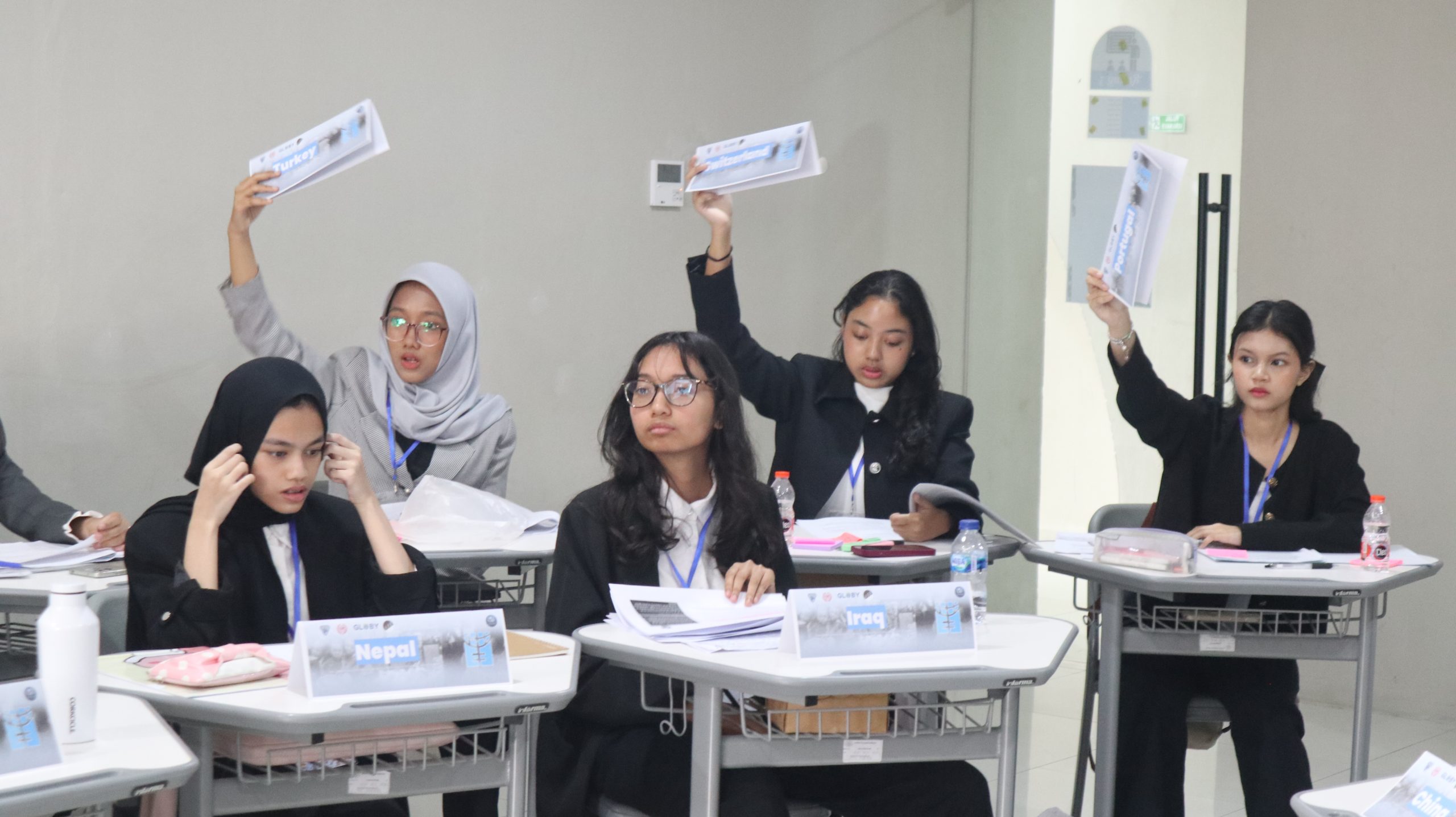
Model United Nations (MUN) often stands out as a challenging yet rewarding experience for its participants. Not only does it test academic knowledge, but it also demands confidence, sharp critical thinking, and effective communication in a formal setting that mirrors international assemblies. Moreover, every delegate must understand global issues, represent a country’s interests, and participate actively in diplomacy and decision-making. Therefore, MUN is widely viewed as a serious and competitive simulation, while at the same time serving as a powerful platform for personal growth among high school and university students.
As a result, many participants dream of earning the Best Delegate award. However, they often feel intimidated or unsure about where to begin. Differences in experience, public speaking skills, and global issue awareness can make some delegates feel left behind. Nevertheless, top-performing delegates usually follow similar preparation patterns and strategies that anyone can learn. Their experiences show that success in Model United Nations does not rely solely on English fluency. Instead, it depends on solid research, a professional mindset, and smart participation strategies. Below are key lessons drawn from the practices of Best Delegates.
Master Your Research and Understand Your Country’s Position Deeply
One defining trait of a Best Delegate lies in strong subject mastery. Research goes beyond reading issue backgrounds. Instead, it requires understanding root causes, international stakeholders, and the official stance of the represented country. Therefore, top delegates always ensure that their arguments align with national foreign policy rather than personal opinions. This approach reflects maturity and professionalism in diplomacy.
Furthermore, thorough research builds confidence during debates and moderated caucuses. When delegates understand data, past resolutions, and geopolitical dynamics, they can respond calmly and logically to challenges. In addition, Best Delegates usually prepare several alternative solutions before the conference begins. Consequently, they rarely run out of ideas during fast-paced discussions. With solid preparation, delegates contribute not only frequently but also meaningfully.
Speak Actively, Practice Smart Diplomacy, and Collaborate Effectively
Active participation plays a crucial role in MUN assessments. However, Best Delegates understand that speaking often must go hand in hand with quality and diplomatic etiquette. They know when to present ideas, when to support others, and when to build compromises. As a result, this balanced approach earns strong appreciation from the chair.
Moreover, top delegates excel at alliance-building. Rather than focusing solely on individual recognition, they contribute significantly to drafting resolutions. During this process, lobbying, negotiation, and listening skills become essential. In fact, many Best Delegates stand out because they act as bridge builders who unite differing viewpoints across blocs. Therefore, cooperative, respectful, and solution-oriented behavior often leaves a stronger impression than aggressive debating.
Demonstrate Professional Attitude and Confident Presence
Beyond academic strength and diplomacy, attitude often becomes the key differentiator. Best Delegates consistently maintain professionalism, from formal attire to respectful speech and conduct. They understand conference rules and follow them diligently. Consequently, such consistency signals seriousness and credibility as a country representative.
At the same time, confidence plays a vital role. Top delegates do not fear mistakes. Instead, they take initiative and learn throughout the process. They speak with clear intonation, confident body language, and structured arguments. Even when others reject their ideas, they remain calm and open to feedback. This mindset reflects maturity and readiness for international forums. Therefore, Best Delegates often earn recognition not because they are always right, but because they perform consistently well throughout the conference.
Maintain Consistency and Practice Self-Evaluation After Every Session
Another important habit among Best Delegates involves consistent self-evaluation. Rather than focusing on a single strong session, they maintain performance quality from the opening to the closing day. After each session or caucus, they reflect on what worked and what needs improvement. This reflection may cover argument delivery, substance clarity, or diplomatic effectiveness.
Additionally, successful delegates welcome feedback from fellow committee members and even the chair. They treat criticism as a learning opportunity rather than a failure. Meanwhile, many beginners overlook this aspect. Some delegates start strong but lose momentum toward the end. In contrast, Best Delegates sustain intellectual stamina, focus, and motivation until the final session. Ultimately, this reflective and consistent approach demonstrates readiness to excel and leaves a lasting positive impression during final evaluations.
In the end, success in Model United Nations results from a combination of strong research, strategic participation, and consistent professionalism. Lessons from Best Delegates prove that anyone can achieve excellence through commitment and continuous learning. Ultimately, MUN is not about dominating discussions. Instead, it is about becoming the most impactful delegate in the room.




