
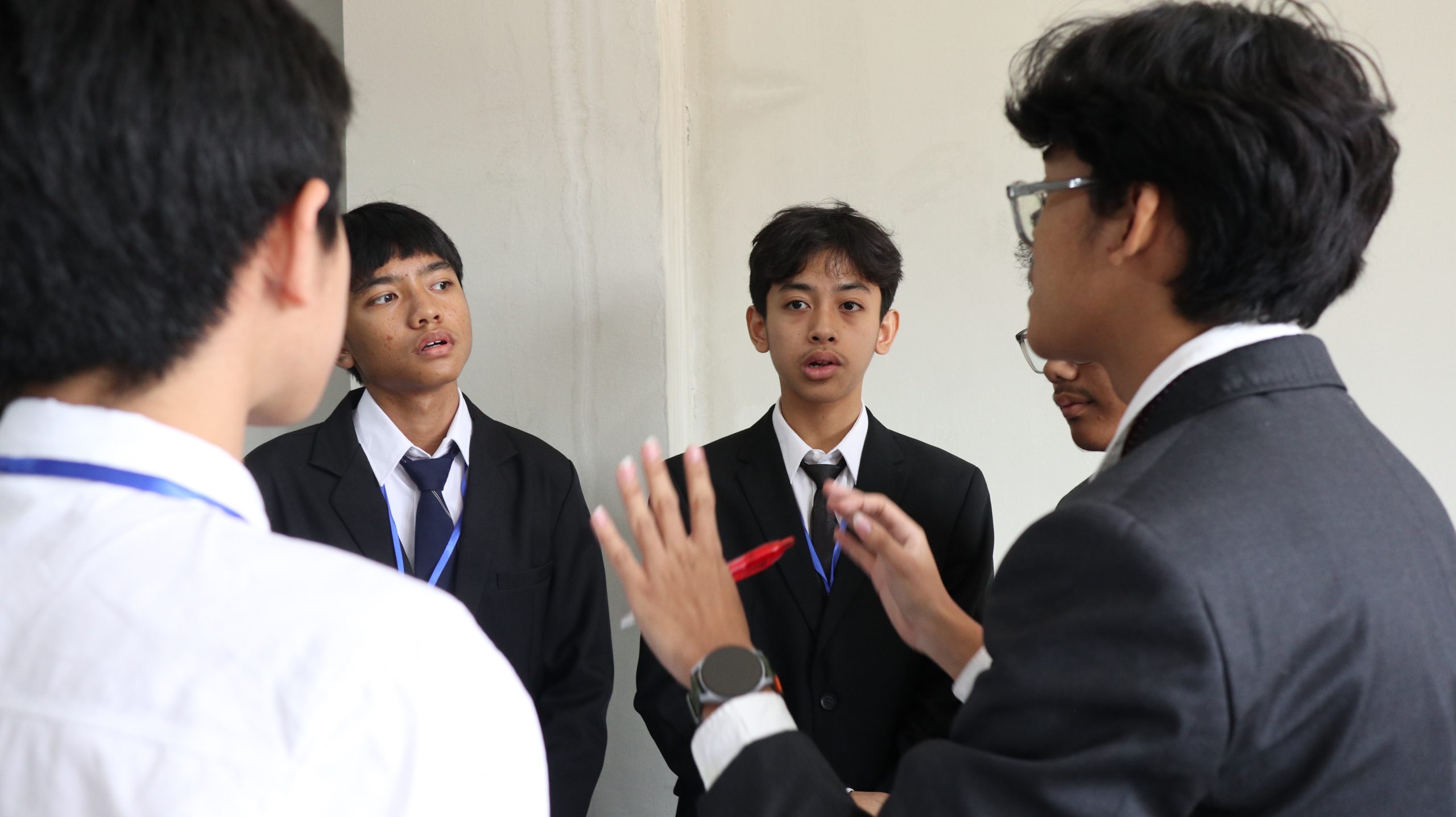
Model United Nations (MUN) is an academic simulation of the United Nations where participants, known as delegates, represent countries in discussing and resolving global issues. For those new to MUN, understanding its structure, roles, and required documents is key to participating effectively and diplomatically.
This article covers four foundational components every delegate must understand before joining a MUN conference, including councils, roles in MUN, official Papers (Position Paper, Working Paper, Draft Resolution), and how these elements shape your performance
- What Is a Council in MUN?
A Council (also known as a committee) is the simulated UN body in which delegates debate. Each council has a distinct mandate and level of formality, which affects the nature of the debate and the topics discussed.
Common MUN Councils Include:
- United Nations Security Council (UNSC) – Handles issues of international peace and security.
- General Assembly (GA) – A broad forum addressing topics from disarmament to sustainable development.
- World Health Organization (WHO) – Discusses global health policy and crisis response.
- United Nations Human Rights Council (UNHRC) – Focuses on human rights protection.
- Economic and Social Council (ECOSOC) – Handles international economic and development matters.
- Understanding your assigned council helps you stay within mandate and address topics appropriately.
- Key Roles in a MUN Committee
Each MUN committee is structured around a set of specific roles:
a, Chair (or Dais Team)
The Chair oversees the debate, manages time, enforces rules of procedure, and facilitates motions and voting. The Chair maintains order and neutrality throughout the session.
b. Delegates
Delegates represent a specific country, speaking and negotiating based on national policy. Their tasks include writing speeches, contributing to documents, and collaborating with other countries diplomatically.
c. Observers or NGOs
In some councils, observer states or NGOs may participate. They often have limited rights (e.g., no voting rights), but can provide valuable input during discussions.
Understanding your role in MUN ensures effective and professional participation.
- Key Papers in MUN
MUN includes several types of formal documents that reflect your preparation, position, and contribution to the debate. These documents play a vital role in both the debate and award assessment process.
a. Position Paper
A Position Paper is a written statement submitted prior to the conference. It explains your country’s stance on the agenda topic and may include:
- Background of the issue
- Previous international actions
- National position on the topic
- Proposed solutions
A well-researched, original Position Paper demonstrates preparedness and a deep understanding of both the issue and your country’s foreign policy.
b. Working Paper
A Working Paper is an informal, early-stage document written during the committee sessions. It outlines proposed ideas or policy recommendations by a group of delegates but has not yet been formally introduced or approved by the Chair. Key characteristics:
- Does not need formatting or official approval
- Used to share ideas, brainstorm solutions, and build consensus
- Can later evolve into a Draft Resolution
- Working Papers are collaborative tools that help blocs shape their shared direction before finalizing their proposals.
c. Draft Resolution
The Draft Resolution is the final document that represents the bloc’s agreed-upon solution. It must follow formal structure and formatting, and it will be debated and voted on by the committee. Components include:
- Preambulatory clauses – Provide background/context
- Operative clauses – State specific solutions or actions
- Sponsors and signatories – Countries supporting the resolution
- A well-written Draft Resolution reflects cooperation, negotiation, and strategic alignment between countries.
Before stepping into your first MUN conference, take time to understand the structure of councils, the roles you’ll perform, and the types of documents you will engage with. From Position Papers that show your preparation, to Working Papers that build collaboration, to Draft Resolutions that offer actionable solutions, each plays a vital part in shaping your MUN experience.
By mastering these core elements, you’ll not only perform confidently in committee but also gain valuable skills in diplomacy, research, public speaking, and teamwork




