
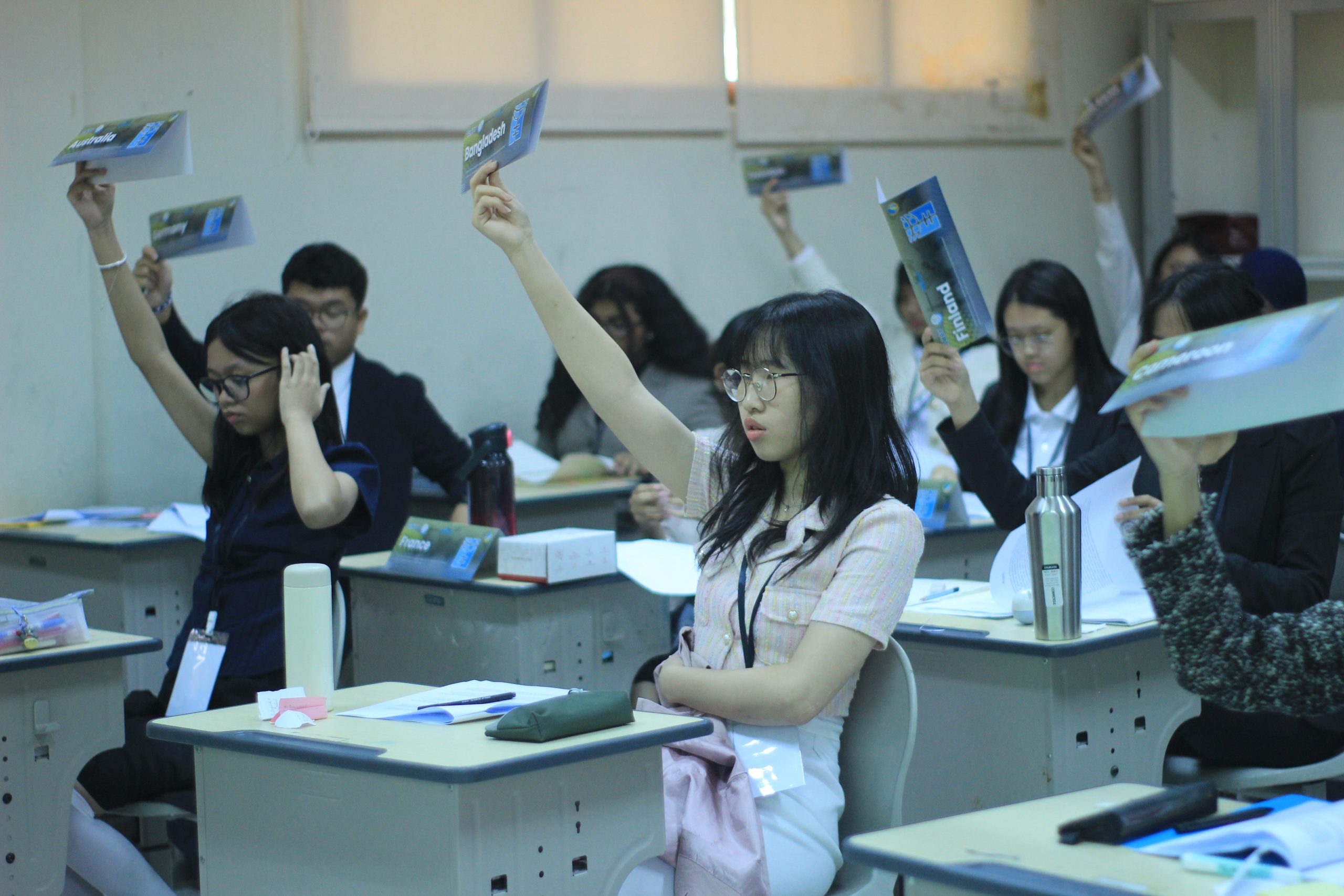
In an increasingly interconnected world, the role of diplomats has never been more crucial. As global challenges such as climate change, international conflicts, and humanitarian crises arise, the need for skilled negotiators and communicators is paramount. One of the most effective ways to cultivate these skills is through participation in Model United Nations (MUN) conferences.
What is Model United Nations?
Model United Nations is an educational simulation that allows students to engage in the workings of the United Nations. Participants, known as delegates, represent different countries and engage in discussions, negotiations, and debates on various global issues. MUN provides a platform for students to develop critical thinking, public speaking, and negotiation skills, all of which are essential for a career in diplomacy.
The Diplomatic Skills Gained Through MUN
1. Research and Preparation
Before attending a MUN conference, delegates must conduct extensive research on their assigned country and the topics to be discussed. This process not only enhances their understanding of international relations but also teaches them how to analyze complex issues from multiple perspectives. The ability to gather and synthesize information is a vital skill for any diplomat.
2. Public Speaking and Communication
MUN conferences require delegates to present their country’s position on various issues, often in front of large audiences. This experience helps students become confident public speakers and effective communicators. The ability to articulate thoughts clearly and persuasively is essential for diplomats who must convey their country’s stance in negotiations.
3. Negotiation and Compromise
Diplomacy is often about finding common ground and reaching agreements. MUN teaches students how to negotiate effectively, balancing their country’s interests with the need for collaboration. Delegates learn the art of compromise, which is crucial in real-world diplomatic scenarios where conflicting interests must be reconciled.
4. Cultural Awareness and Sensitivity
In MUN, students represent countries from around the world, exposing them to diverse cultures and perspectives. This experience fosters cultural awareness and sensitivity, essential traits for diplomats who must navigate complex international relationships. Understanding different viewpoints is key to building alliances and resolving conflicts.
5. Teamwork and Leadership
MUN is not just about individual performance; it also emphasizes teamwork. Delegates often work in groups to draft resolutions and strategize their approaches. This collaborative environment helps students develop leadership skills, as they learn to guide discussions and motivate their peers toward a common goal.
Participating in Model United Nations is more than just an academic exercise; it is a transformative experience that equips students with the skills necessary to become effective diplomats. As the world faces increasingly complex challenges, the next generation of leaders must be prepared to engage in meaningful dialogue and negotiation. MUN provides a unique opportunity for students to hone these skills, paving the way for a successful career in diplomacy and international relations.
By embracing the challenges and opportunities presented by MUN, students can take significant steps toward becoming the diplomats of tomorrow. Whether aspiring to work for the United Nations, a government agency, or a non-governmental organization, the skills gained through MUN will undoubtedly serve them well in their future endeavors.




