
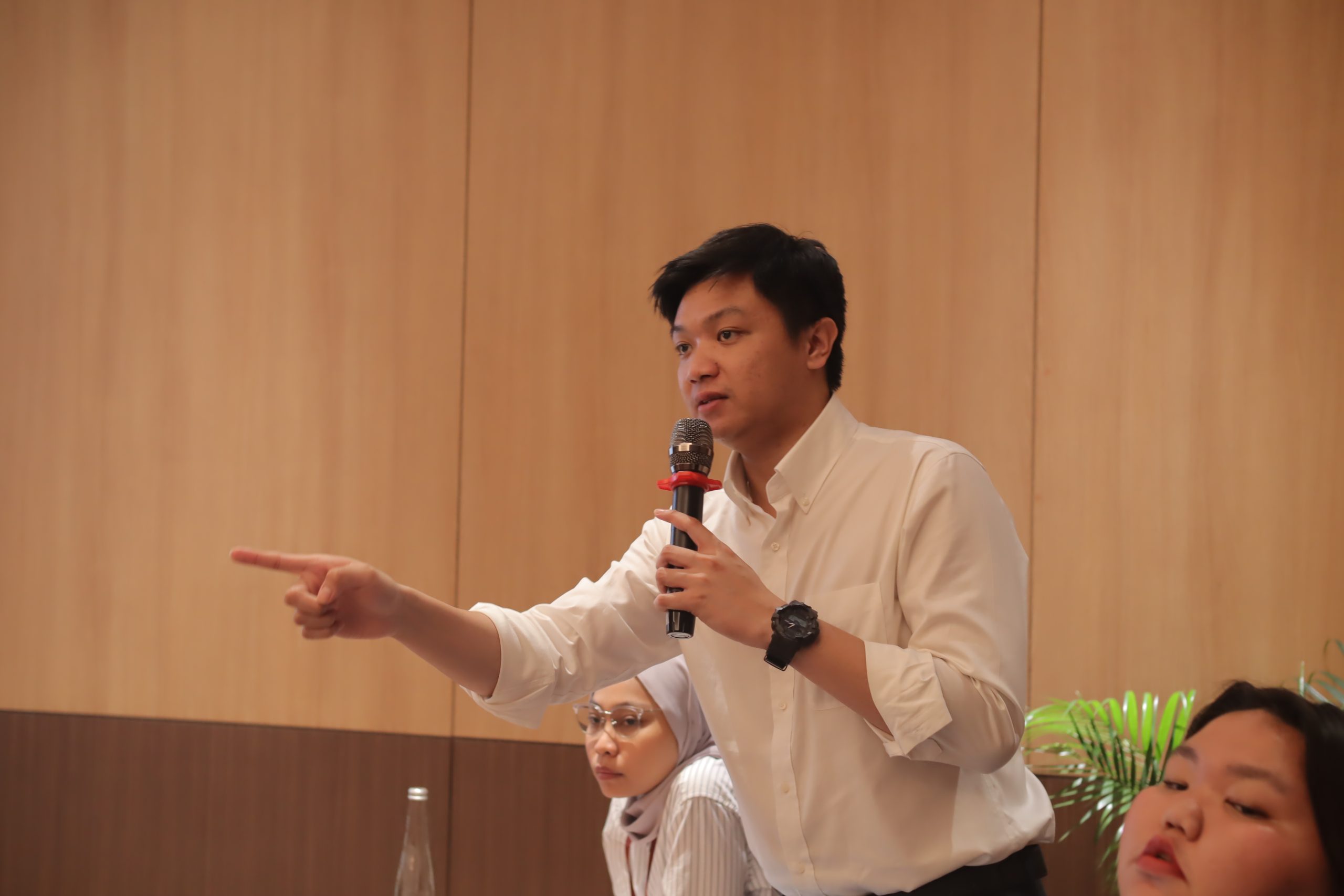
Fear of speaking in Model United Nations appears in almost every beginner’s first experience. Many delegates worry about grammar mistakes, unclear pronunciation, or sounding less confident than others. Because of that fear, some choose silence and assume it is safer than speaking incorrectly.
That decision usually comes from a false belief about how chairs evaluate delegates.
Many participants imagine council as a speaking contest. They think chairs reward those who raise their placards often, speak the longest, or dominate debate. In reality, this mindset often works against them.
Chairs Are Not Looking for the Best Speakers
Chairs do not judge council as a public speaking competition. Perfect grammar, a strong accent, or confident delivery can help communication, but they never define performance.
Frequent speaking also does not guarantee a positive evaluation. Delegates who talk too much without direction often show weak preparation or shallow understanding of the issue.
In many councils, chairs value delegates who speak less but contribute with purpose. Visibility alone does not equal impact.
What Chairs Actually Evaluate in Council
Chairs assess delegates through clear and consistent criteria.
First, they focus on substance. Every intervention must relate to the topic and align with the country’s position. One sharp argument often carries more weight than several vague statements.
Second, chairs watch consistency. Delegates who shift positions without strategic reasoning lose credibility quickly. Chairs expect delegates to defend a clear stance from the opening session until negotiations end.
Third, chairs evaluate issue understanding. This appears through timing and relevance, not speech length. Delegates who understand the issue know when to speak and when to listen.
Fourth, chairs assess contribution to council direction. They value delegates who move discussion toward solutions instead of repeating general ideas.
Speaking Often Does Not Mean Contributing More
Many beginners speak simply to appear active. Chairs notice this pattern easily. Repeated arguments, generic opinions, or irrelevant comments rarely leave an impression.
A single, well-timed intervention can matter more than multiple unfocused speeches. Quality almost always outweighs quantity in council.
Strong delegates understand this difference. They wait for the right moment and deliver points that add value to the discussion.
Contribution Goes Beyond Long Speeches
Council performance does not depend only on moderated caucus speeches. Meaningful contributions often happen elsewhere.
Short interventions that redirect discussion, procedural motions at the right time, and active participation during unmoderated caucus all matter. Chairs observe who works, negotiates, and collaborates behind the scenes.
Delegates who engage in drafting clauses, building consensus, or connecting different blocs often gain recognition, even if they speak less in formal sessions.
Silence Can Be Strategic, But It Has Limits
Chairs can distinguish strategic silence from lack of preparation. A quiet delegate who actively lobbies, understands the topic, and delivers strong points when needed still shows value.
However, complete passivity creates problems. Delegates who neither speak nor engage in negotiation leave chairs with little to evaluate. Silence itself does not cause failure, but absence of contribution does.
A Safe Strategy for Delegates Who Fear Speaking
Delegates who feel nervous should focus on preparation, not frequency. One or two solid arguments make a stronger impression than many weak ones.
Simple language works best. Chairs prefer clarity over complex vocabulary. Choose the right moment to speak instead of forcing participation in every session.
The goal should never be sounding impressive. The goal should always be moving the council forward.
Council Is About Value, Not Bravery
Model United Nations is not a test of courage or fluency. It is a forum for strategy, consistency, and meaningful contribution. Chairs do not reward bravery alone. They reward delegates whose presence strengthens the discussion.
If fear limits your speaking, that alone does not define your performance. The real problem begins when fear stops you from contributing at all. In Model United Nations, value matters more than volume.
For beginners who want a more structured introduction to MUN, GM MUN Jakarta 2026 provides an accessible entry point. Scheduled for 12-14 June 2026 at the Mercure Convention Center Ancol, Jakarta, the conference applies age-based councils and guided learning formats that support both new and returning delegates. With registration open until 31 December, it offers a realistic option for those who prefer learning through participation rather than waiting until their English feels flawless.




