
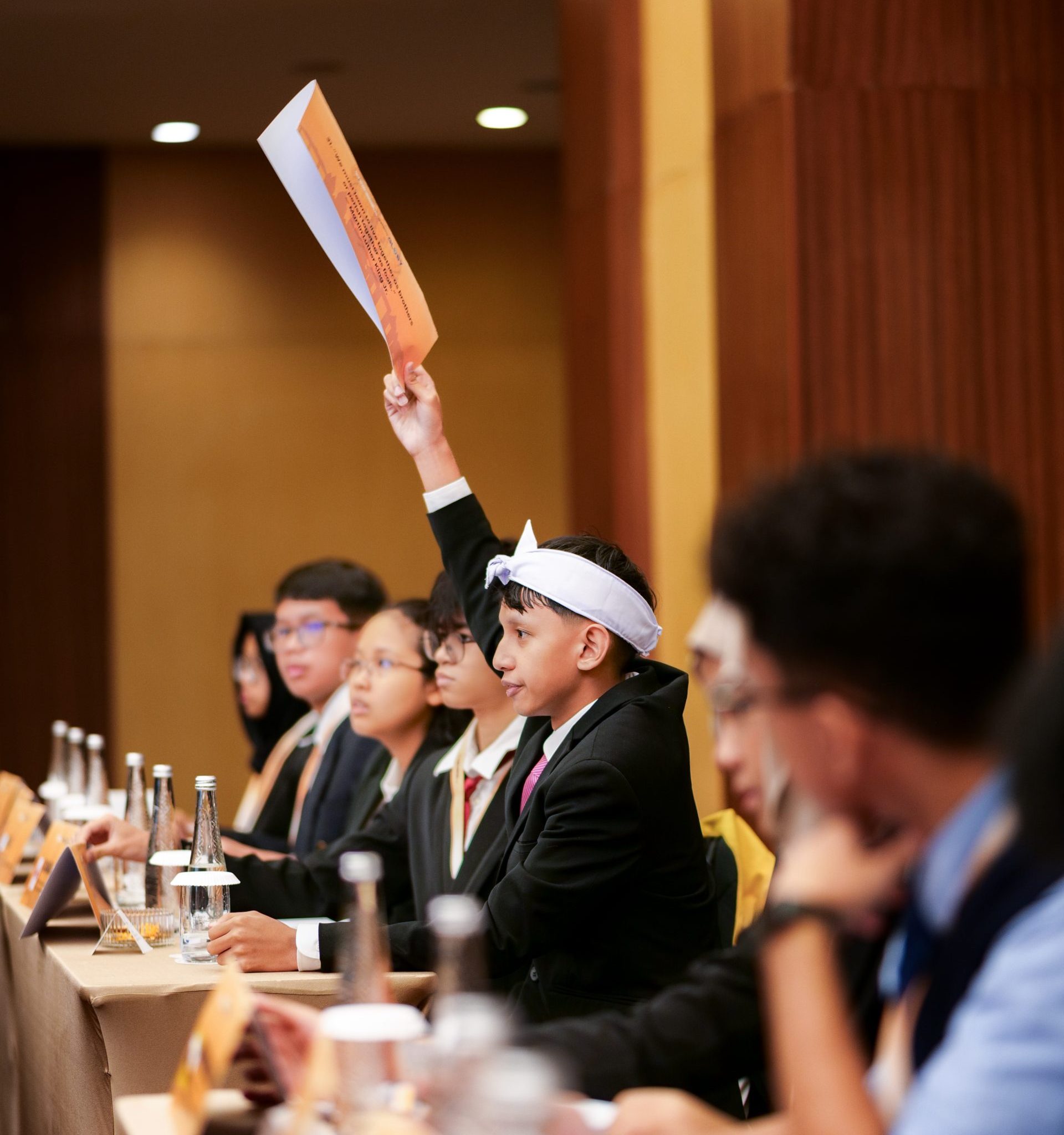
Joining Model United Nations for the first time often feels exciting and intimidating at the same time. Many students imagine it as a fun debate competition where they can freely express opinions on global issues. In reality, the experience surprises most first-time delegates in ways they never expected. From strict procedures to intense mental pressure, MUN offers lessons that go far beyond public speaking. Here are six things that commonly shock first-time delegates.
1. The Extremely High Level of Formality
New delegates often feel surprised by how formal Model United Nations sessions are. Participants must follow a professional dress code and speak using diplomatic language at all times. Chairs expect delegates to address others respectfully and follow parliamentary phrasing. Casual discussion styles rarely work here. For many beginners, this atmosphere feels closer to a real diplomatic meeting than a student conference.
2. Complicated Rules and Procedures
The number of rules can overwhelm first-time delegates. Motions, points, voting procedures, and different types of caucuses happen quickly, especially during early sessions. Many beginners hesitate to raise their placards because they fear making mistakes. This confusion is normal, even though experienced delegates may appear confident and effortless.
3. Research Matters More Than Expected
Many first-time participants believe that understanding the issue alone will be enough. MUN proves otherwise. Delegates must know their country’s official stance, political interests, and red lines. Strong arguments can fail instantly if they contradict national policy. This reality shocks many beginners who arrive with creative ideas but limited preparation.
4. Lobbying Is More Powerful Than Public Debate
Most newcomers expect speeches to determine everything. In practice, informal lobbying during unmoderated caucuses plays a much bigger role. Delegates build alliances, negotiate clauses, and shape draft resolutions through direct conversation. Many strong resolutions emerge from these discussions rather than from formal debate on the floor.
5. Mental and Emotional Pressure Is Real
MUN challenges confidence as much as knowledge. Sitting among articulate and experienced delegates can trigger insecurity. First-time delegates often worry about pronunciation, wording, or judgment from others. The pressure can feel intense, especially during high-stakes debates. Learning to stay calm and confident becomes an essential skill.
6. It Is Not Only About Winning Awards
Perhaps the biggest surprise comes at the end of the conference. Many first-time delegates enter MUN with a strong competitive mindset. Over time, they realize that growth matters more than trophies. Skills like negotiation, critical thinking, leadership, and networking provide long-term value beyond any certificate.
For first-time delegates, feeling shocked does not mean failure. It means learning. The first MUN conference often feels challenging, exhausting, and unpredictable. Yet those very challenges make the experience memorable and transformative. With each session, delegates grow more confident, capable, and prepared for future global conversations.




