
Explore how five celebrities use their roles at the United Nations and what Model United Nations participants can learn about diplomacy, advocacy, and issue framing.
The presence of celebrities at the United Nations often triggers skepticism. At first glance, many observers assume their involvement serves symbolic purposes or publicity goals. However, this assumption overlooks a more nuanced reality. In practice, several public figures actively shape global narratives, translate complex international issues for broader audiences, and apply moral pressure to global decision-makers. Consequently, their roles deserve closer examination rather than quick dismissal.
Therefore, this article explores how five public figures use their positions at the United Nations to influence how global issues are framed, understood, and advocated for. More importantly, their experiences reveal practical lessons about modern diplomacy that directly benefit Model United Nations participants.
Emma Watson and Gender Equality at the United Nations
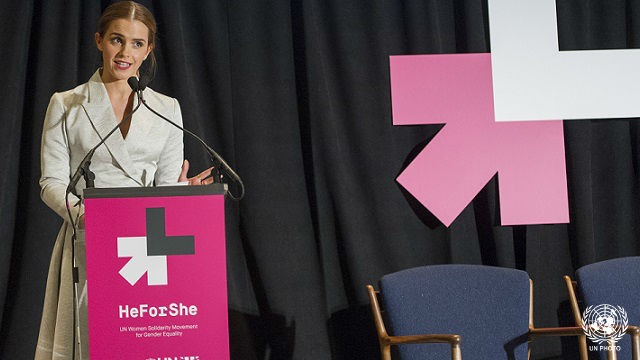
As a UN Women Goodwill Ambassador, Emma Watson gained global attention through the HeForShe campaign, launched in 2014. Instead of presenting gender equality solely as a women’s issue, she deliberately reframed it as a shared responsibility that includes men and boys.
As a result, this shift in framing proved crucial. By expanding the narrative, Watson turned a previously segmented issue into a collective global concern. In turn, a wider audience felt included and accountable. For Model United Nations delegates, this example clearly demonstrates how strategic issue framing can redefine responsibility and mobilize broader support.
Angelina Jolie and Refugee Advocacy
Similarly, Angelina Jolie’s work as a UNHCR Special Envoy highlights the importance of direct engagement with humanitarian crises. Over the years, she has consistently visited conflict zones, refugee camps, and regions affected by displacement.
When Jolie speaks about refugees, she does not rely on abstract compassion alone. Instead, she grounds her advocacy in firsthand observation and verified facts that often remain absent from mainstream discussions. Accordingly, Model United Nations participants can learn the value of deep research, field-based perspectives, and evidence-driven arguments when representing vulnerable populations.
Shakira and Long-Term Investment in Education
Meanwhile, as a UNICEF Goodwill Ambassador, Shakira focuses on child education and early childhood development. Through school-building initiatives and sustained advocacy, she emphasizes that meaningful social change requires patience and long-term investment.
This perspective matters greatly in Model United Nations simulations. Frequently, delegates rush to propose short-term solutions to complex problems. In contrast, Shakira’s work demonstrates why sustainable policies and long-term planning produce more credible and realistic outcomes in international development.
David Beckham and Accessible Advocacy
In addition, David Beckham, also a UNICEF Goodwill Ambassador, adopts a non-academic yet highly effective advocacy approach. By leveraging his global popularity, he reaches audiences that formal diplomatic spaces often fail to engage, particularly young people.
Through this approach, Beckham reinforces a key lesson for Model United Nations delegates. Effective advocacy does not always depend on technical language or complex frameworks. Instead, accessibility, clarity, and audience awareness can significantly amplify a message’s impact.
Charlize Theron and Health Advocacy Through Action
Likewise, Charlize Theron demonstrates a different advocacy model through the Charlize Theron Africa Outreach Project. Her work focuses on HIV/AIDS prevention and broader health challenges across Africa. Rather than relying on symbolic appearances, she commits to sustained, measurable action.
Consequently, this model highlights how credibility in diplomacy grows through long-term commitment. For Model United Nations participants, her example underscores the importance of consistency and accountability when defending any policy position.
What These Stories Mean for Model United Nations
Taken together, the experiences of these five figures illustrate that modern diplomacy extends far beyond formal titles and negotiation rooms. Strategic narratives, research-based empathy, and consistent advocacy actively shape how global issues are understood and addressed.
Because of that, Model United Nations functions as more than a simulation. Instead, it serves as a training ground where participants practice issue framing, test arguments, and represent global interests with responsibility and credibility.
If you want to develop your voice, sharpen your diplomatic thinking, and experience what it truly means to act as a global representative, GM MUN Jakarta 2026 offers the ideal starting point.
GM MUN Jakarta 2026 is the largest beginner-friendly Model United Nations conference. It will take place on 12–14 June 2026 at Mercure Convention Center Ancol, Jakarta. Registration remains limited and will close on 31 December 2025.
Do not miss this opportunity to begin your journey in Model United Nations.
Register now and take your first step toward global diplomacy.




